Beirut, oh Damsel of the World, Beirut. How much ink has been spilled — and let’s only think of the ink, for now — to tell your story?
Our city has become something of a literary genre in itself. So much so, that the name itself has become a narrative device. With so many scripts and codes imbued in a geographic area of — what? 20? 200 km2? — it’s easy to get lost around here. So here is a (very rough) map for the dazed and confused:
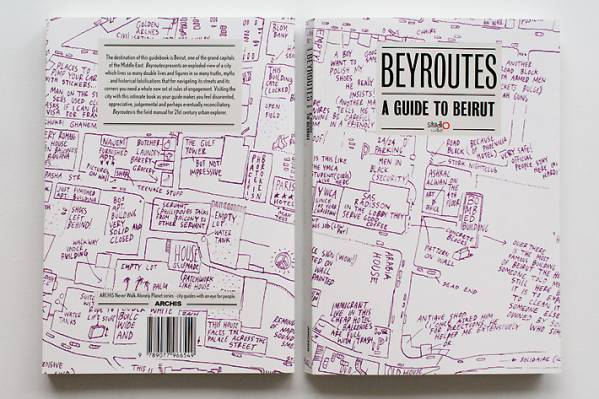
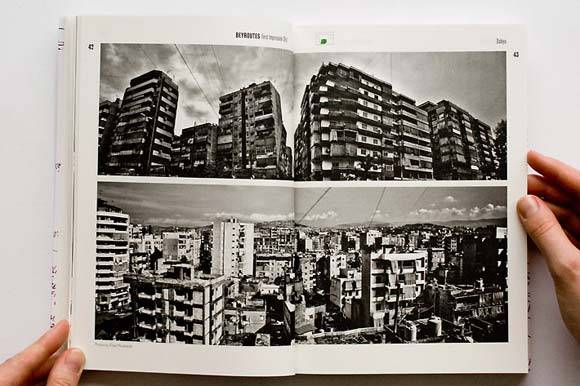
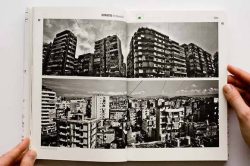
Featuring a martyrdom walking tour and a cut-out guide to “staying safe” in Dahiyeh, this book — which is really a collection of insightful essays disguised as a guidebook — is a great resource for both the sophisticated tourist who would never accept that label, and the jaded local who just can’t stop loving this city. It’s also beautifully designed.
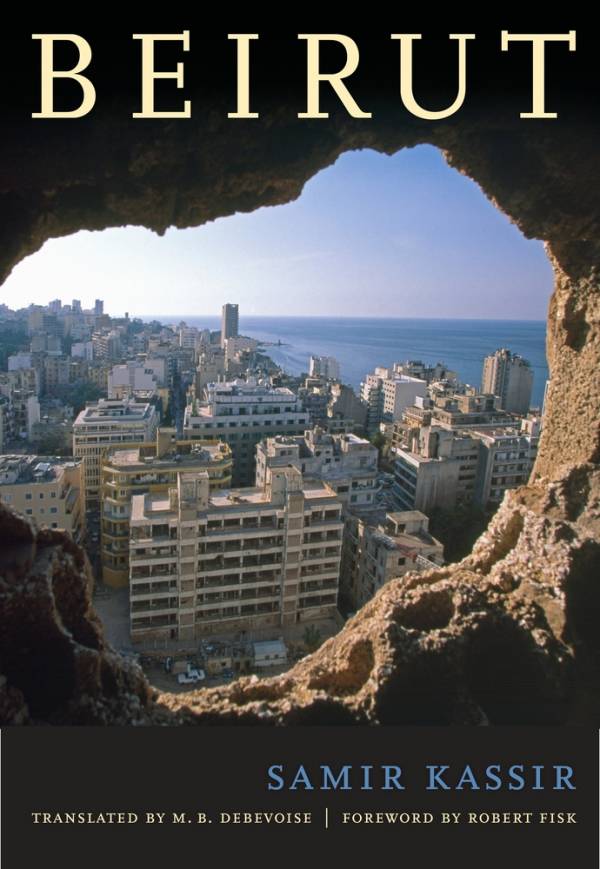
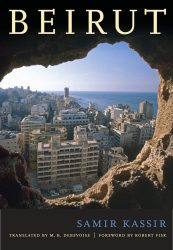
Now for the more scholarly stuff. If you only read one history of Beirut, make it this one by the late, great Samir Kassir. Because it’s a history book, it’s hard not to nitpick. Kassir’s tone is sometimes too flowery, and there’s a strange inconsistency between the chapters that are critical of the colonial governments that ruled over the city, and the chapters that seem very enthusiastic about their urban policies that pretty much erased medieval Beirut.
And yet, despite all that, this mammoth book is full of amazing, meticulously-researched stories from a wide variety of sources, covering everything from Roman Beirut to the Civil War. The book tells this unwieldy history with both an eye for detail and a view of the bigger picture, in a way that doesn’t feel overwhelming. And that’s why we highly recommend it as a thrown-in-the-deep-end introduction to the complexities of this place.
Lebanon Shot Twice
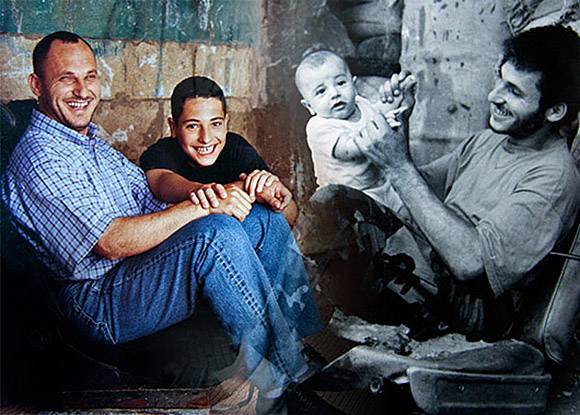
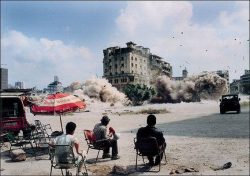
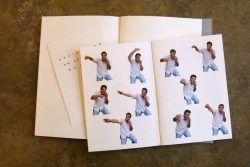
After finishing Kassir’s 500+ page tome, you may want to take a break from reading. Zaven Kouyoumdjian’s book is a collection of old photographs he cut out of newspapers during the war paired with ‘where are they now’ updates he made years later. Some of these pairings are quite poignant, especially when the original photographs had already become quite iconic; my favorite is the one showing an angry Druze man wielding a knife. He is described as being very embarrassed about it when shown the photograph years later.
With Zaven’s TV stardom, it’s hard to imagine anyone in Lebanon who hasn’t had at least a cursory look through this book. So if you’re looking for wartime photographs that are a little less well known, see if you can get your hands on Beirut: City of Regrets, which features striking photos from the 1980s — some of which can be seen [warning: one photo in particular is very graphic] here.
Out of Beirut
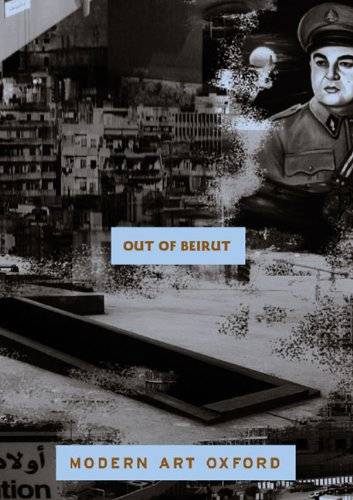
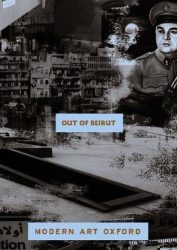
For another visual feast of a different kind, check out this collection, originally made for an exhibition at Modern Art Oxford. Out of Beirut features the work of 18 Lebanese “artists, architects, performers, writers and thinkers” like Lamia Joreige, Bernard Khoury, Rabih Mroué, Walid Sadek, Jalal Toufic and Akram Zaatari. So basically, it’s a whole generation of anybody who’s anybody in the broadly-defined cultural scene, making this book a great way to stop feeling awkward the next time someone starts dropping names you don’t recognize. A similar book about a different scene is Untitled Tracks.
Other than giving you a crash course in hipster cred, what both these books offer is a great way to to really get your head around Beirut: each artist or thinker, regardless of their medium, captures a unique truth about the city and what its been through.
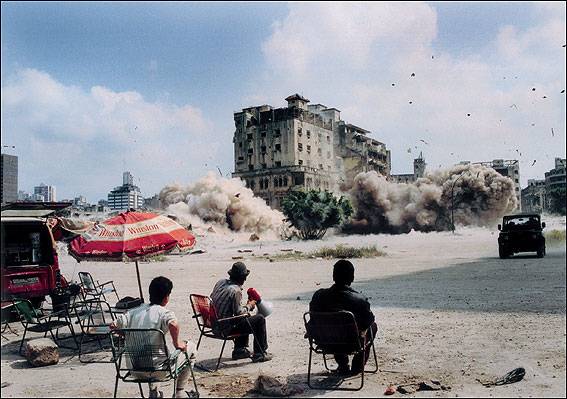
Transit Beirut “Reconstruction of Beirut, 1990” from the cover of Transit Beirut. (Image via NPR)
This is a book that does something, with an eclectic selection of texts and images about both wartime and post-war Beirut. As a collection without a central theme, it’s hard to summarize just what its about, but this book could be read as a companion piece to Beyroutes. A particularly good text is Hazem Saghieh’s recollection of the daily struggles of living in the city in the 1980s:
“Beirut then was very dark. Even today, whenever I think of Beirut in the 1980s, I only recall darkness…I used to feel desolation especially when I came home late at night to my huge apartment building and had to ascend five flights of stairs by the light of a single burning match until it scorched my fingers, and another one was struck…There was always the roar of the electrical generators, and the wires hanging in dangerous and complicated ways between the buildings…while the garbage was mounting everywhere…The telephone ceased to function and so did the post office..The city became an extension of the village. Bodies moved in the streets in slow motion.” (p. 117-120).
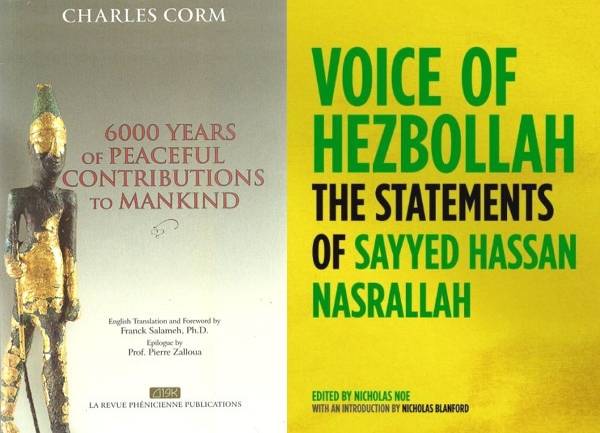
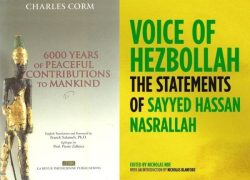
This pairing will probably — ok, definitely — strike you as odd, but you must remember that Beirut is more than just a place with lots of stories and experiences; it’s also a whole bunch of contradictory ideologies. These are just two examples of two very influential — but very different — perspectives on what it means to be Lebanese.
One of these books is sure to annoy you — perhaps, even both — but reading them will help you better understand where some people are coming from when they get animated about a topic you can’t relate to. If there’s one skill you need here, it’s learning how to relate!
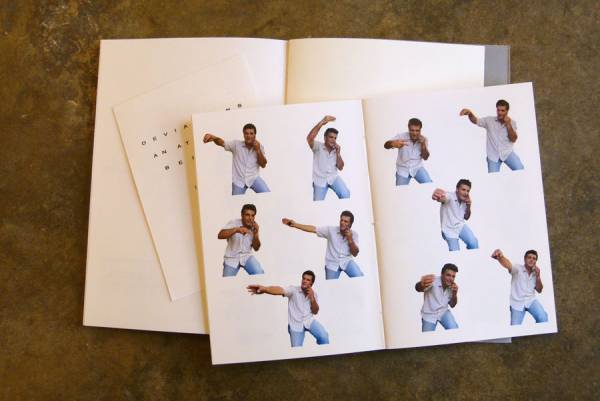
Getting where (some) people are coming from is one thing, but figuring out how to actually get anywhere is a whole other matter. We could recommend Zawarib 3al Meshe, but that’s not really a book. It’s also not as fun as what’s featured here. Deviations is a book about one (non-local) artist following Beiruti-style directions as she walks from neighborhood to neighborhood. Here’s an example:
“You should go to Msharrafieh, Mar Mikhael Church. From Barbir, turn under the Barbir bridge and come to Ghobeiry Square after passing the Shuhada (Martyrs’ Cemetery). When you reach the new airport road bridge, you turn left and continue in the direction of Mar Mikhael until you reach the Qilqaa Bakery. We’re in the mini market in Al Malak.” (p. 50)
While this book isn’t necessarily about getting lost, it does show just how hard it is to guide anyone through this city.