
 Blog
Lebanon’s National Dish Isn’t Tabboule OR Hummus…It’s This Local Fave
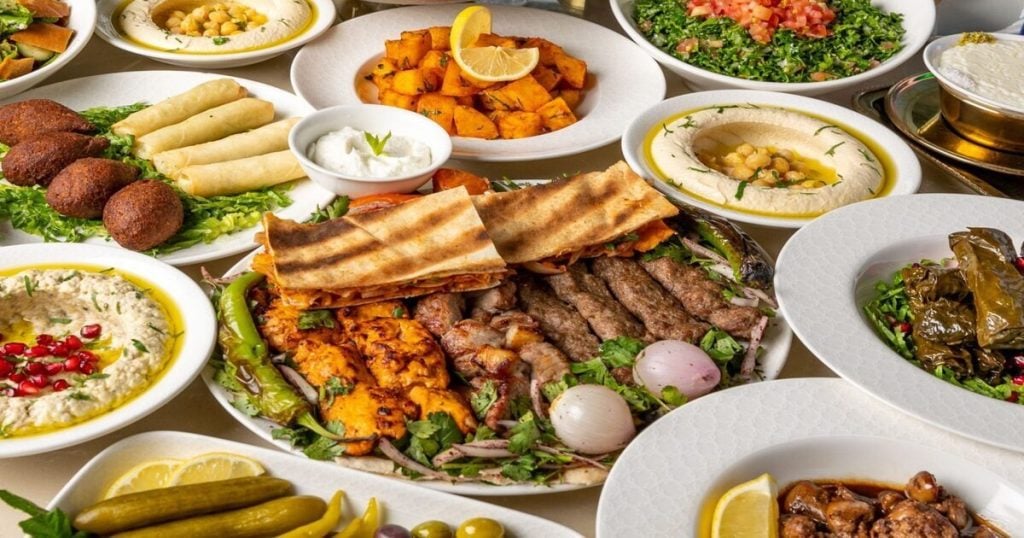
Much to everyone’s surprise, Lebanon’s national dish isn’t tabboule or hummus. Our national dish is actually kibbeh, which we somewhat begrudgingly share with Syria (we really thought we were original).
Source: Luxury Lifestyle Awards
Why not tabboule? Good question. Maybe it’s because it’s too common across the Levant, or maybe whoever decides these things just has a grudge against salads being a national dish. Either way, here’s everything you need to know about kibbeh and how it claimed the title of Lebanon’s national dish.
A National Dish With Roots Deeper Than Our Cedar Trees
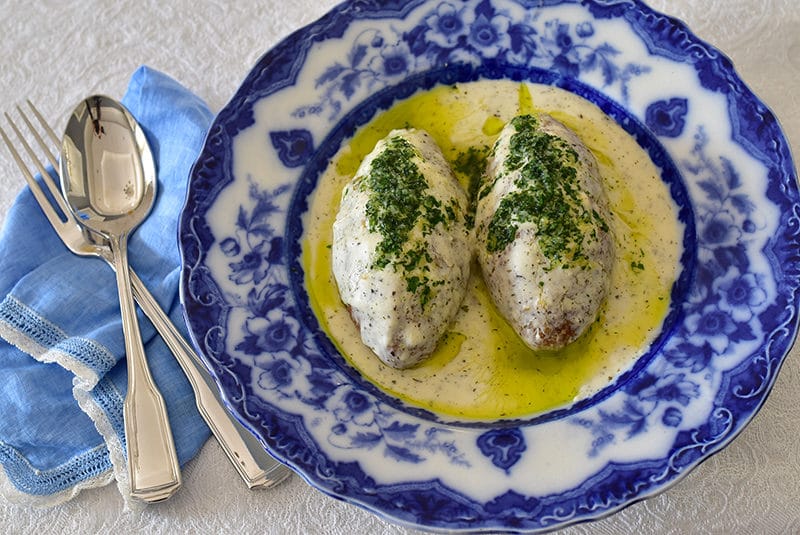
When you really think about it, kibbeh is more than just food. It carries centuries of tradition and meaning. Unfortunately, many people overlook its cultural significance. Families have passed down kibbeh recipes from generation to generation, preserving both flavor and heritage.
The word “kibbeh” comes from the Arabic term “kubbah,” meaning “ball” or “dome”, a fitting description of its classic shape. Traditionally, cooks would pound meat and bulgur together in a wooden bowl, using a stone pestle to achieve the perfect texture. The process could take hours, but it was always a communal and meaningful experience. To this day, many villages in Lebanon still consider kibbeh-making a vital part of their cultural identity.
During weddings, family gatherings, and holidays, kibbeh has always been a staple to share with loved ones. Kibbeh nayyeh is considered a delicacy, often served on special occasions or Sunday family lunches.
On that note…
Some Things Are Just Better Raw
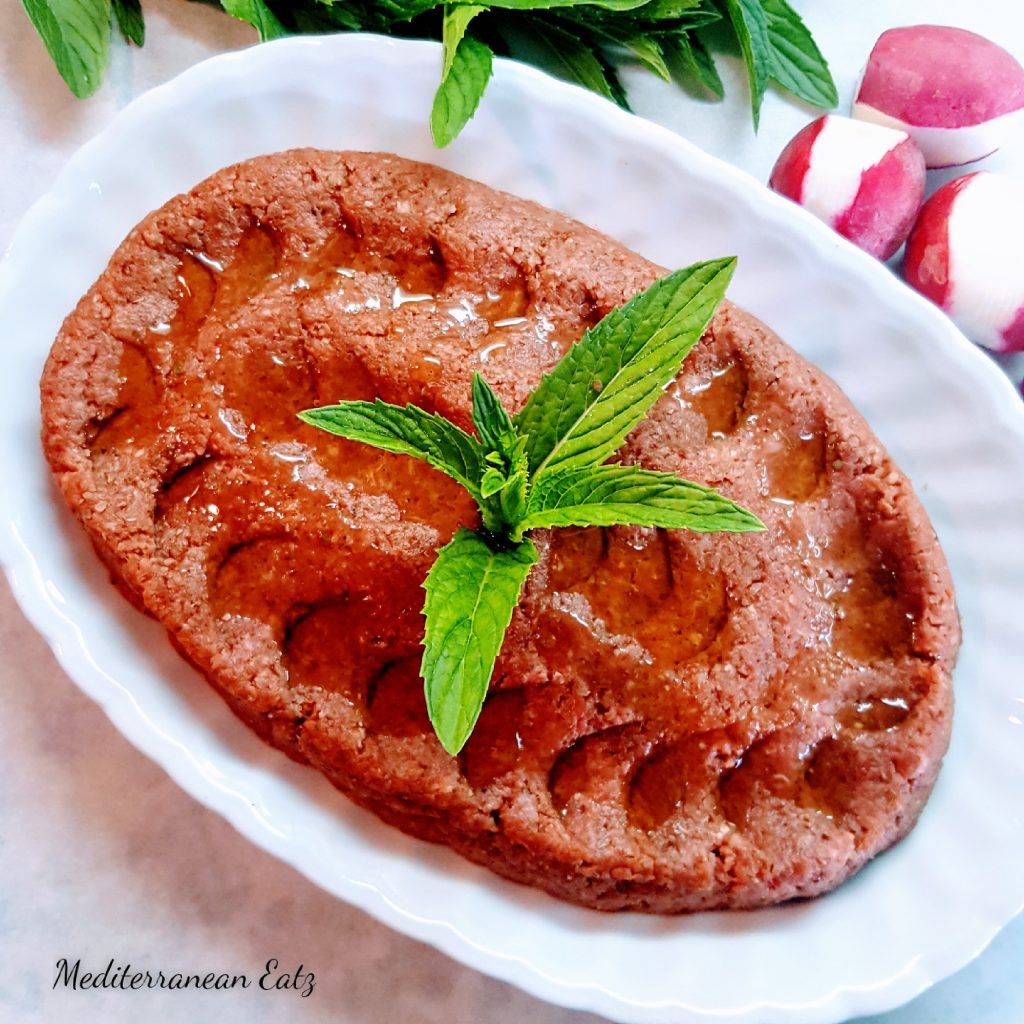
Let’s face it. Some people like things a little raw. No one bats an eye when you say you love sushi or cookie dough (unless they’re deathly afraid of salmonella), but mention that you enjoy raw meat and suddenly, everyone gives you a weird look. To that, I say: the French eat snails. Come on, it’s really not THAT weird. Also, kibbeh nayyeh is delicious, and you’re just being a hater.
And for the record, kibbeh nayyeh isn’t just any raw meat. It’s made from the freshest, leanest cut of red meat available, blended with onions, bulgur wheat, and a flavorful mix of herbs and spices. Trust me, once you try it, you’ll get the hype.
Kibbeh nayyeh is an ancient traditional dish (possibly older than Nabih Berri), and possibly dating back to the time of Abraham. Lebanese and Syrian families would slaughter an animal for Sunday dinner or special occasions, then immediately prepare kibbeh nayyeh from the fresh, raw meat to ensure it was safe to eat. These days, we have fridges, so the dish lives on.
A National Dish With Endless Variations, Infinite Love
Lebanon is a country with a rich and complicated history, and even though many of us are tired of hearing it, we’re often defined by our resilience and adaptability.
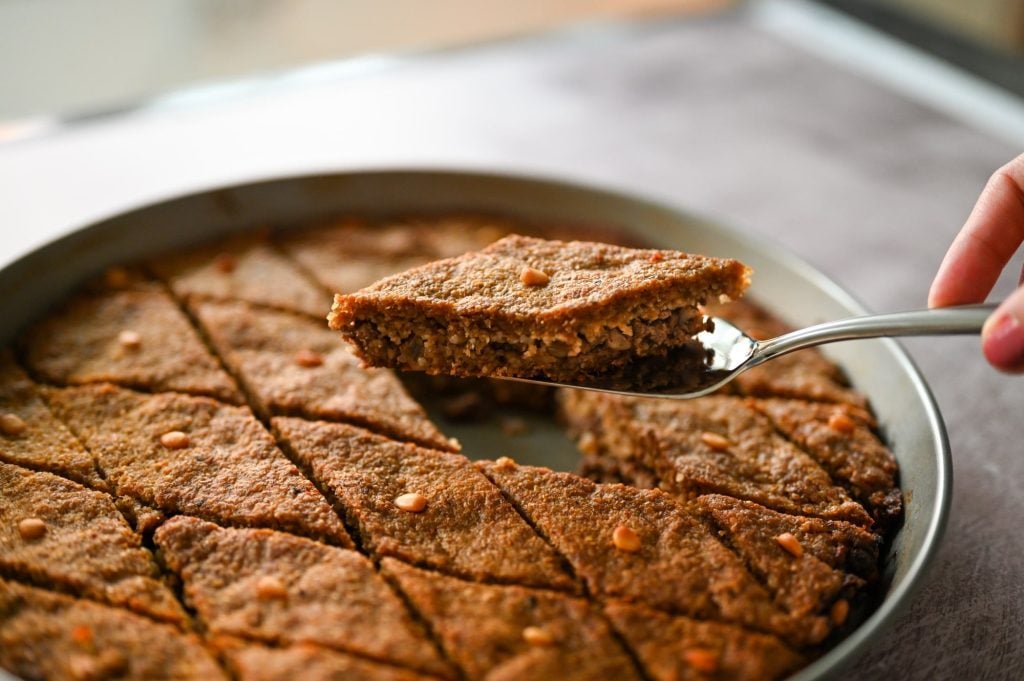
It’s a trait we share with kibbeh, a dish that takes skill, patience, and creativity to make. Kibbeh reflects our resourcefulness and adaptability through all its countless variations: kibbeh nayeh, fried kibbeh, baked kibbeh, kibbeh bl saniyeh, kibbeh b laban, kibbeh bi dibs el remmen, kibbeh shorba, pumpkin kibbeh, fish kibbeh…the list goes on. Every region, town, and household has its own version.
A Symbol of Lebanese Identity
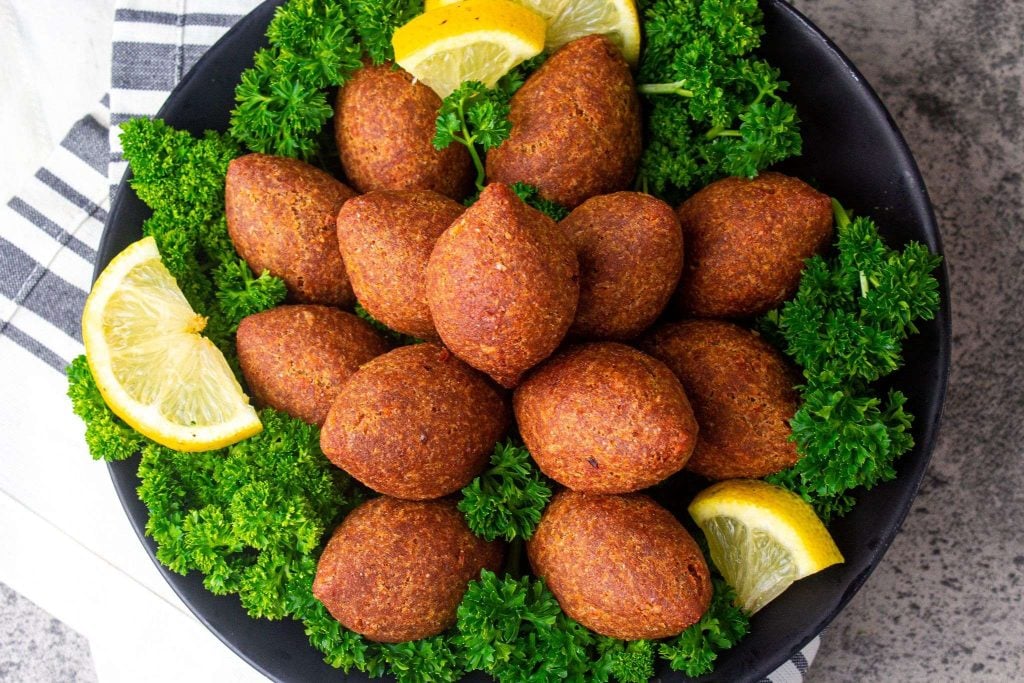
Every variation of kibbeh comes with a story, one packed with flavor, culture, and history. It’s a dish that tells the story of our land. Wheat and meat, the core ingredients, represent Lebanon’s agricultural and pastoral roots. Pine nuts, olive oil, and fresh herbs reflect the richness and diversity of our local produce.
Learning to shape the perfect kibbeh torpedo is almost a rite of passage. It’s a conversation starter, a centerpiece at family tables, a peace offering between neighbors, and let’s be honest, sometimes the source of playful kitchen rivalries of whose teta can make the best kibbeh.
Our national dish might not be what we expected, but like the cedar trees rooted in our soil, it’s every bit a part of who we are.
Looking for more like this? Did You Know Lebanon Has a National Flower? Meet the Lebanon Cyclamen
Big News: H&M Is Returning to Lebanon!
11 Nov 2026





Looking for something to do? I can guide you.
Or start with one of these