This Lebanese Poet Is the Real Reason We Text in Arabic Using Latin Letters
We’ve all questioned our chat keyboard at some point because why is Lebanon the only Arab country to text Arabic with Latin letters instead of just using al abjadiyah like everyone else?
And yes, this is a case of Phoenicianism that aimed to differentiate Lebanese cultural identity from the Arab world. And we all have Lebanese poet, writer, and philosopher Said Akl to thank.
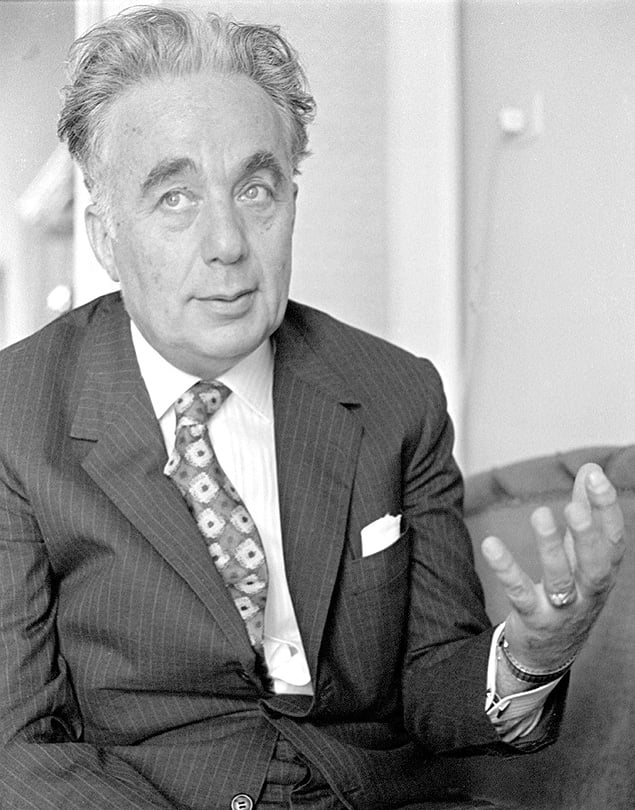
Who is Said Akl?
Said Akl (1911–2014) was one of Lebanon’s most influential literary figures. A poet, playwright, philosopher, and cultural icon who was known for his sharp wit and bold ideas, Akl spent decades shaping Lebanon’s modern literary scene, writing poetry, plays, and song lyrics that are still celebrated today.
Some of his most iconic pieces turned into pan-Arab anthems, including Zahrat Al-Mada’en and Ruddani ila biladi, sung by Fairuz and composed by the Rahbani brothers.
The Story Behind “Arabizi”
Akl was a passionate advocate for Lebanese identity, nationalism, and the idea that Lebanon’s spoken language deserved recognition as something distinct from Standard Arabic. He wanted to develop a unique Lebanese literary voice that reflected Lebanon’s Phoenician roots. Who was going to tell him that dialects are a thing in ALL countries that speak a common language?
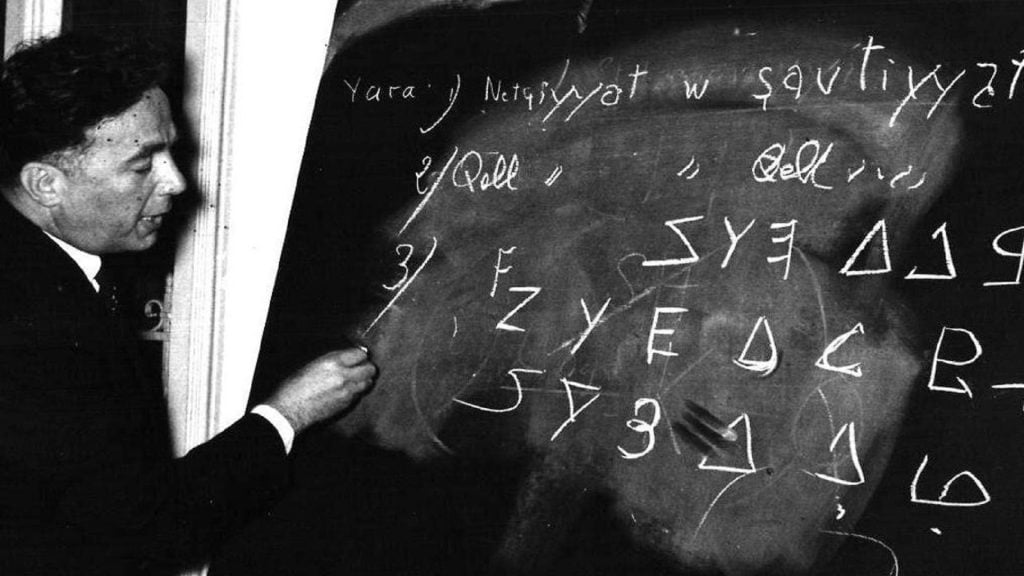
Photo retrieved from The New Arab.
Instead of seeing Lebanese Arabic as one of many global dialects, Akl treated it like a separate language that needed its own alphabet. The use of a Latin-based alphabet was referred to as “Arabizi”, or more commonly today, loghat Said Akl (which translates to Said Akl’s language).
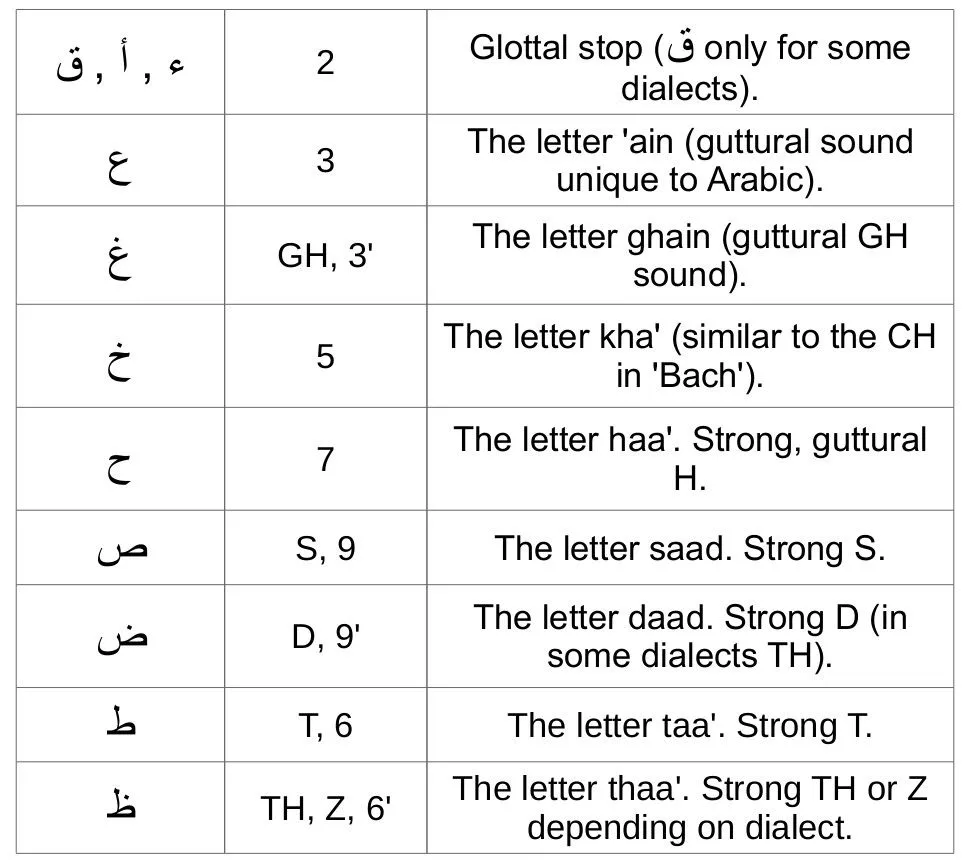
Though controversial back then, the Latin-based chat alphabet has fully taken hold. Today, Lebanese people rarely use Standard Arabic when texting, and younger generations are often surprised to learn that most other Arab countries still stick to the traditional script.
While it hasn’t erased Arabic literacy, it has shifted the way many Lebanese interact with the language. Frequent use of Latin letters can make Standard Arabic spelling and grammar feel trickier, and younger generations often find writing in formal Arabic less intuitive.
How Was It Implemented?
Said Akl never officially implemented his Latin-based Lebanese alphabet. It was never adopted by schools or the government. What made it stick was his position as a prominent literary and cultural figure. Through his poetry, essays, and public advocacy, he showed that Lebanese Arabic could be written in a distinct script tied to national identity.
He promoted it in several ways:
Publishing: He used the Latin-based alphabet in his poems, essays, and articles. He demonstrated that Lebanese Arabic could be written in a distinct script.
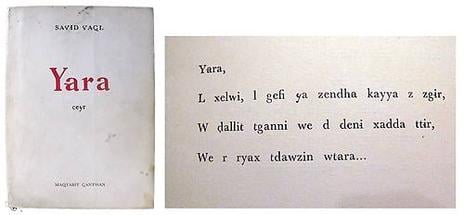
Cultural advocacy: Through lectures, debates, and public appearances, he linked the alphabet to Lebanese identity and national pride.
Media exposure: His ideas appeared in newspapers and literary circles, inspiring writers and intellectuals to experiment with the new script.
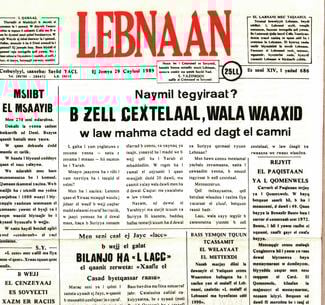
Social influence: Ordinary Lebanese gradually picked up the habit of writing in Latin letters, especially in informal contexts, laying the groundwork for today’s “chat alphabet.”
His ideas trickled into intellectual circles, media, and everyday life, encouraging writers and ordinary Lebanese to experiment with Latin letters. Over time, this cultural influence helped shape the playful “chat alphabet” many Lebanese use online today.
In short, it wasn’t policy or legislation. Akl might just be the very first successful Lebanese “influencer” who didn’t get cancelled for wanting to Latinize our text.
Phoenicianism Today
However, this doesn’t mean we’ve heard the last of Akl’s Phoenicianism. Every few years, some initiative pops up and suggests a (ridiculous) readjustment of the already-Latinized chat alphabet.
It’s true that genetic studies show traces of Phoenician ancestry in some people today. But a distant connection doesn’t make someone a Phoenician any more than having Mesopotamian ancestors would make someone Mesopotamian. While the region is linked to its Phoenician past, that doesn’t make us any less Arab. Meaning, you CAN be Arab with Phoenician ancestry at the same time…ma tenharo.
How do you feel about Lebanese people being the only Arabs to text in Arabic using the Latin alphabet?