How This Lebanese Family Popularized the Iconic Hawaiian Shirt
Another day, another fun fact about Lebanese people leaving their mark around the world. Did you know that the iconic Hawaiian shirt, or the Aloha shirt, actually has ties to Lebanon? Here’s what we know.

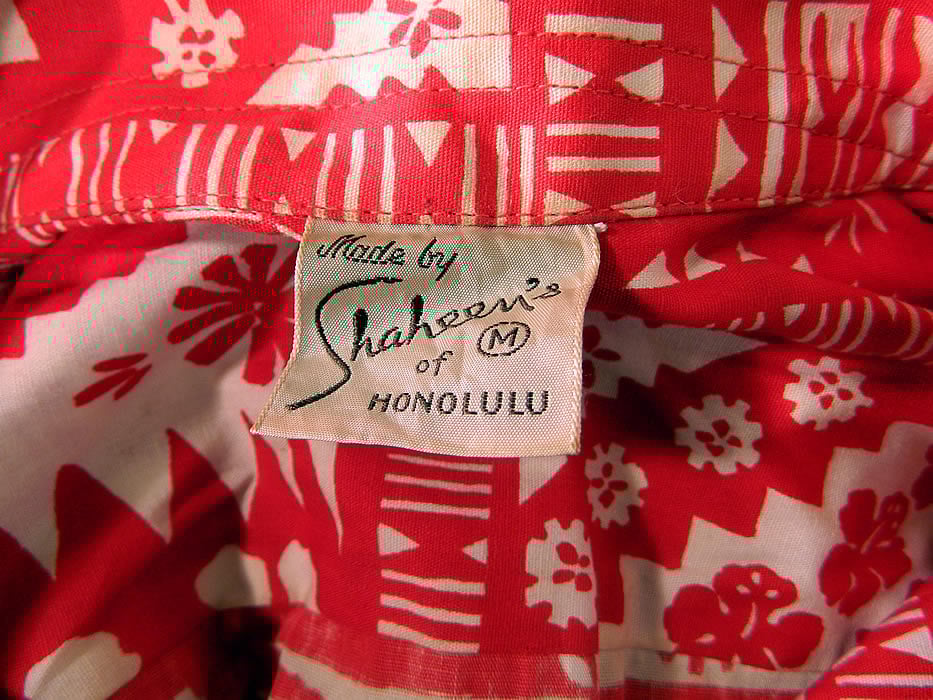
A recent podcast episode by the Afikra Podcast brought our attention to this iconic shirt. The story starts with the Shaheen family, who came to the United States around the early 20th century. They ran a collection of silk factories, including a major one in New Jersey.
In the 1920s, they even reinvested profits back into Lebanon, trying to revive the country’s silk industry, though French mandate politics made that difficult. By the 1930s and 1940s, the Shaheen family had relocated to Honolulu. Their expertise in textiles played a major role in shaping the aloha shirt as we know it today.
Early versions of the “Aloha Shirt”
Early versions of what became known as the aloha shirt were already appearing in Hawaii in the 1920s and early 1930s, often made from colorful Japanese kimono fabrics and adapted by local tailors.
Tailors like Kōichirō Miyamoto’s shop Musa‑Shiya the Shirtmaker are linked to these early shirts, and figures like Ellery Chun of King‑Smith Clothiers were instrumental in giving the garment its name and turning it into ready‑to‑wear fashion. Chun trademarked “Aloha Shirt” in the 1930s and helped bring the style into broader production.
Alfred Shaheen Steps In…
In 1948, Alfred Shaheen elevated the aloha shirt to global prominence. He introduced bold, artistic prints, high-quality fabrics, and innovative textile techniques.
Here’s some more information about Shaheen by Lebanese Fashion History that you might find interesting:
His shirts appeared in major fashion magazines and even on the cover of Elvis Presley’s Blue Hawaii. Shaheen didn’t create the shirt, but he transformed it into a fashion icon known worldwide.
So while the aloha shirt’s roots are in early 20th-century Hawaii and Japanese-inspired fabrics, the Shaheen family’s Lebanese heritage and textile expertise were crucial in its development and international popularity.
Make sure to check out the #Did You Know? section for more fun facts like this.