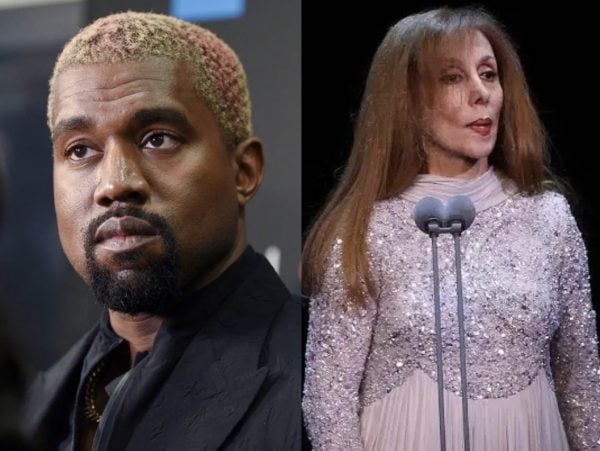
Did You Know Farid Al Atrash Wrote a Song For Georgina Rizk?
The song Hebbina Hebbina by the legendary Farid Al Atrash is more than just a love song. Behind it is a distinctly Lebanese story, connecting him to former Miss Universe Georgina Rizk and the composer and poet Tawfiq Barakat, offering a glimpse into Beirut’s art scene in the early seventies.
How Georgina Rizk became a muse
According to Al-Mawad Magazine, the story began in 1971, after Georgina Rizk was crowned Miss Universe, a proud moment for Lebanon and the Arab world. Farid Al Atrash held a tribute party in her honor at his home in Louaize.
Despite her busy schedule and preparations for her world tour, Georgina insisted on attending. She attended the gathering after she had just finished packing her bags.
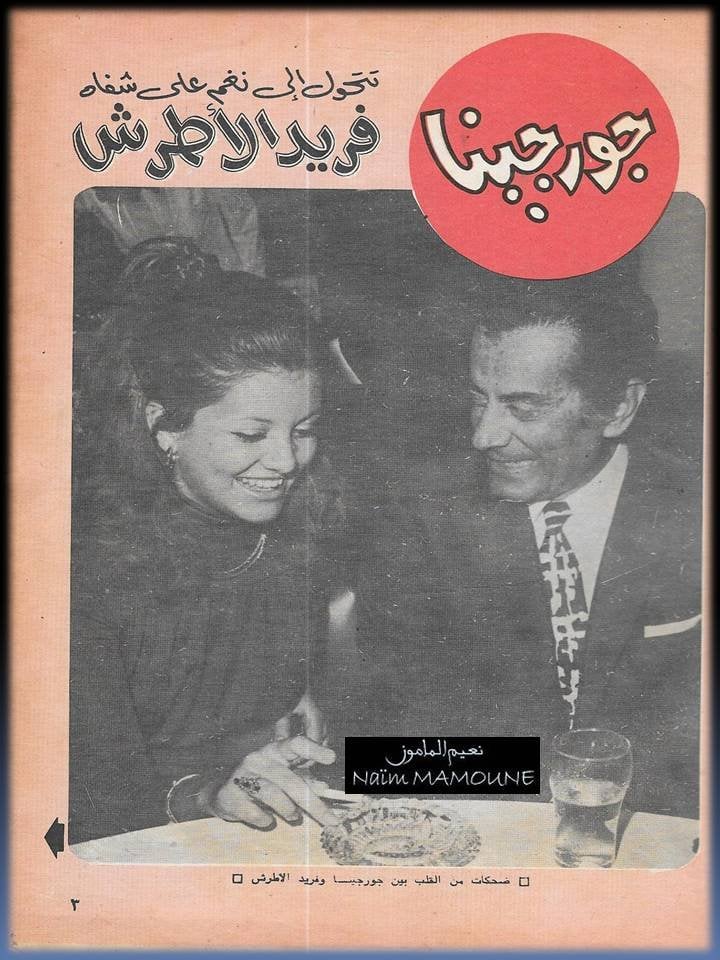
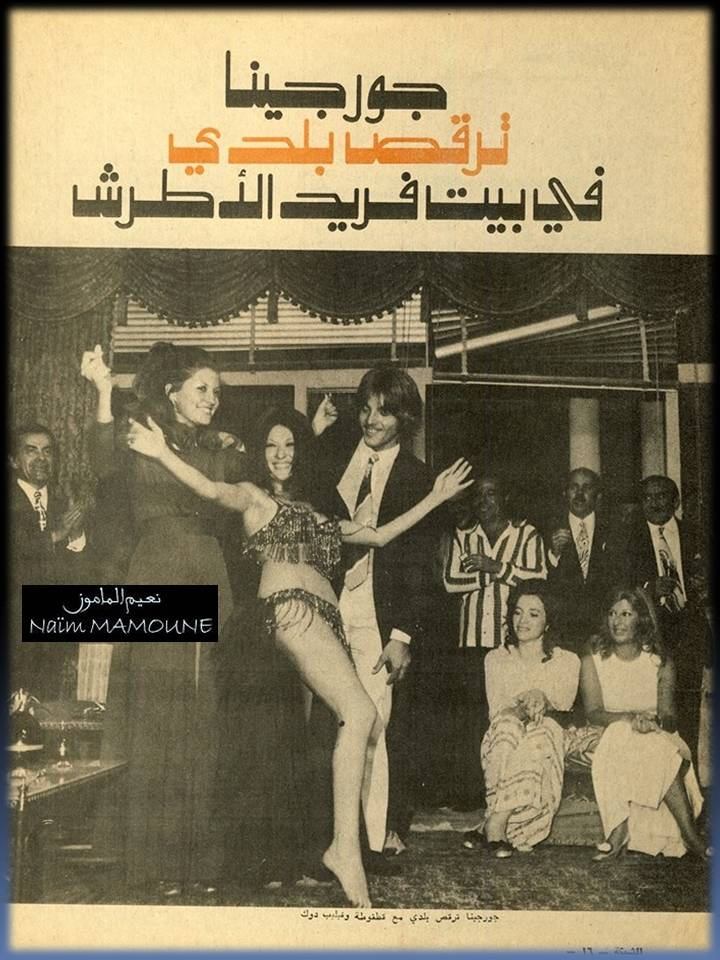
The evening was warm and intimate, with Farid’s friends and his fiancée Salwa Al Qudsia in attendance. The iconic Egyptian actress and dancer Qatqouta performed with Aboud Abd Al Aal’s band, and Georgina couldn’t help but dance to Laktob 3awrak El Shajar, one of Farid’s most iconic songs.
It was there that Farid asked Tawfiq Barakat to write lyrics for a new song starting with:
“Georgina, Georgina, habbeinaki habbeina”
Translation: Georgina, Georgina, we loved you, we loved you.
Tawfiq immediately composed its melody.
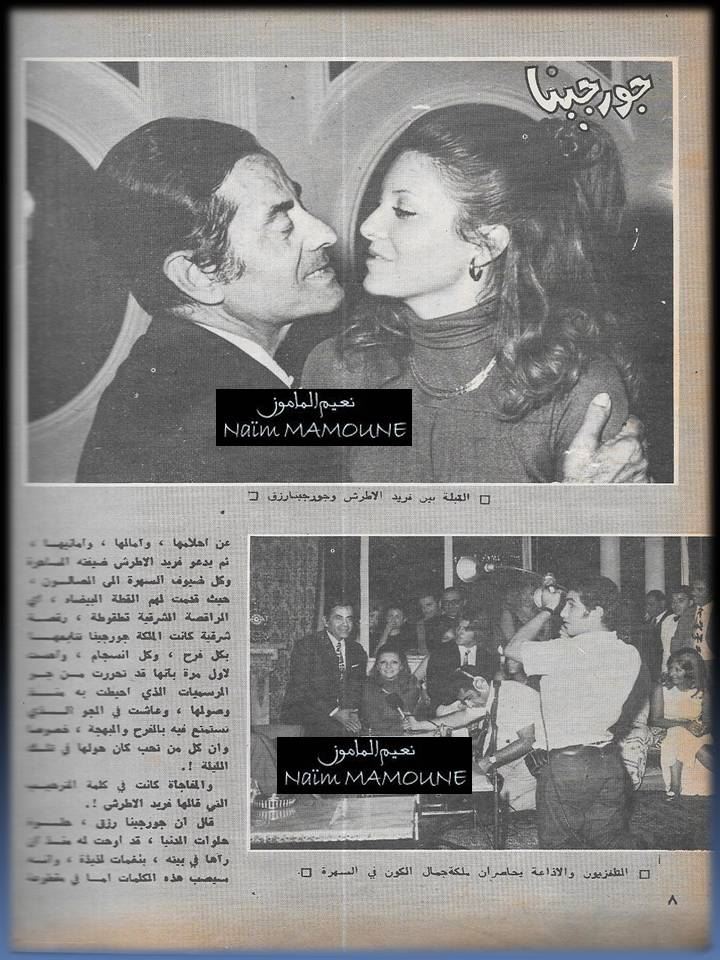
Tawfiq immediately composed the melody. Another account, from journalist Jamal Fayyad, says the idea first came at the airport when Tawfiq greeted Georgina with the same phrase, which impressed Farid. Georgina was already a frequent guest at Farid’s art soirées in Beirut.

The lyrics were then changed…
The song was performed at several events and admired by many. But when it reached Lebanese radio, it faced censorship because at the time, laws prohibited mentioning public figures in songs. The lyrics were changed to: “Hebbina, hebbina, habbeinaki hebbina”.
Farid didn’t let the song fade. He included it in his 1975 film Nagham Fi Hayaty with Mervat Amin. Even without Georgina’s name, the song survived.

This is how a song written for Miss Universe became one of Farid Al Atrash’s most memorable hits. Even without Georgina’s name, it carries the story of a night when Beirut’s music, poetry, and art came together.