All the Cultural Spots You Need to Visit in Beirut
You’ll never have a dull moment in Beirut with its abundance of museums, art collectives, historic landmarks, and hidden gems. Here’s a guide to all the must-visit cultural spots you need to visit in Beirut.
1. Dar El Nimer in Clemenceau
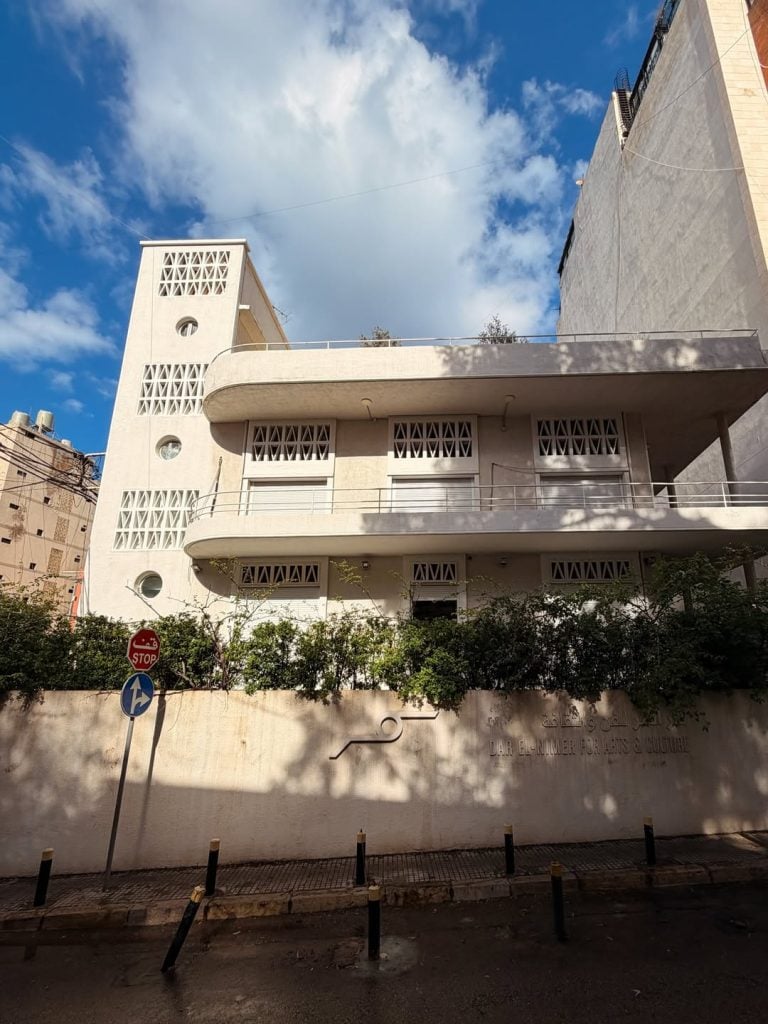
Source: @doctor.ashkanani on Instagram
Dar El Nimer for Arts and Culture is a contemporary cultural institution in Beirut’s Clemenceau district. Founded in 2016 around art collector Rami El‑Nimer’s extensive archive, the space showcases exhibitions that explore Arab and Levantine histories through art, photography, manuscripts, and political posters.
Its programs often include rotating exhibits, workshops, lectures, and performances that highlight overlooked narratives from Palestine and the broader Arab world, blending historical documentation with fine art.
2. Metropolis Cinema in Mar Mikhael
Metropolis Cinema is a long‑running independent cinema and cultural association dedicated to promoting film as an art form. Originally launched in 2006, it screens a wide range of cinema, from classics and documentaries to experimental and contemporary films, and fosters a community around cinema culture.
It also runs Cinémathèque Beirut, an archive project preserving Lebanese cinematic heritage, and hosts festivals, retrospectives, and discussions that connect audiences with Lebanon’s film history.
3. Beirut Museum of Art (BeMa) in Downtown Beirut
Beirut Museum of Art (BeMa) is a major new art museum in Downtown Beirut focusing on Lebanese and Middle Eastern modern and contemporary art. The museum aims to present a broad historical sweep of artistic production in the region and engage audiences with dynamic exhibitions, educational programs, and public installations that reflect Beirut’s artistic evolution.
4. Nuhad Es Said Pavilion for Culture in the National Museum of Beirut
The Nuhad Es Said Pavilion for Culture is a cultural annex to the National Museum of Beirut dedicated to exhibitions and events that bring Lebanon’s cultural heritage to life.
It hosts rotating thematic shows, like “Impressions of Paradise,” which used archival posters to explore Beirut’s “Golden Age” image, blending historical materials with artistic perspectives and offering visitors deeper insight into the country’s cultural narratives.
5. The Lebanese National Library in Sanayeh
The Lebanese National Library, established in 1921, is the country’s principal repository of Lebanon’s written and printed heritage. It holds millions of books, manuscripts, maps, rare editions, and archival materials that document Lebanon’s literary and cultural history.
Although its collections suffered damage and displacement during the Civil War, restoration efforts and modern planning aim to preserve and make accessible this core cultural resource.
6. Musée de la Préhistoire Libanaise in the Saint Joseph University of Beirut
The Musée de la Préhistoire Libanaise at Saint Joseph University is dedicated to Lebanon’s prehistoric archaeology. It displays tools, artifacts, and findings from Paleolithic to Neolithic periods.
The museum illuminates the region’s earliest human history and showing how early societies lived, hunted, and evolved in the Levant. This museum gives visitors a window into the deep historical roots of human civilization in Lebanon.
7. The Lebanese National Theater in Hamra
Beirut’s iconic Le Colisée reopened as the Lebanese National Theater, a cultural venue with a long tradition of live performance. It hosts theater productions, concerts, dance shows, and cultural events that reflect Beirut’s performing arts scene.
The theater has been a key space for creative expression and artistic gatherings in the city, continuing to support both classic and contemporary performance work.
8. The Arab Image Foundation in Kantari
The Arab Image Foundation (AIF) is a non‑profit organization dedicated to collecting, preserving, and celebrating photography from the Middle East, North Africa, and the Arab diaspora.
Founded in Beirut in 1997, AIF’s archive holds tens of thousands of photographs that reflect the region’s social, cultural, and visual histories.
9. Souk El Tayeb in Jisr El Wati
Souk El Tayeb is a community farmers’ market and cultural food initiative that celebrates traditional Lebanese culinary heritage. Held regularly in Jisr El Wati, it brings together local farmers, artisans, and producers showcasing seasonal, organic, and heritage foods.
Beyond food, the souk fosters cultural exchange and connection with Lebanon’s rural food traditions.
10. Dalloul Artist Collective in Saifi
The Dalloul Artist Collective is an artist studio and creative hub in Saifi Village, Beirut’s art quarter. It’s a space where visual artists collaborate, exhibit, and experiment across media, often engaging with Saifi’s broader arts community of galleries, workshops, and cultural spaces.
The collective supports emerging and established artists and contributes to Beirut’s dynamic creative ecosystem.
11. Abboudi Bou Jaoude Prints Collection in Hamra
The Abboudi Bou Jaoude Prints Collection is a private collection and cultural archive in Hamra, curated by collector Abboudi Bou Jaoude. It features vintage posters, film memorabilia, advertisements, and cultural ephemera, celebrating cinema, graphic design, and Arab cultural history.
The collection highlights Lebanon’s vibrant visual culture, from film posters to regional advertising classics.
12. Robert Mouawad Private Museum in Zoukak El Blatt
The Robert Mouawad Private Museum is housed in a neo‑Gothic palace in Zoukak El Blatt that was converted into a museum by collector Robert Mouawad.
It displays an eclectic collection of artifacts spanning ancient antiquities, rare books, Chinese porcelain, decorative arts, and historical objects reflecting both Eastern and Western influences. The museum’s ornate architecture and curated displays offer a journey through artistic heritage and global cultural connections.
13. Bissan Library in Hamra
Tucked away in Hamra, Bissan Library is a Palestinian bookshop and quiet refuge amid the neighborhood’s busy streets. Known for its deep collection of Arabic titles, it draws locals and students alike.
Its owners are passionate about Palestinian history and storytelling, so they named the library after one of Palestine’s most historical cities. Bissan stands as a cultural anchor in Hamra’s independent bookshop scene, preserving the love for print in a digital age.
Did we miss any cultural spots in Beirut? Let us know!
Make sure to check out the #Arts & Culture section on our website for more content like this.