
Blog
New Import Fees on Everything From Food to Shoes in Lebanon
Post-edit: the government has announced a “pause” on these fees, pending studying their impact.
A new government decree has introduced additional fees on a broad range of imported products entering Lebanon, with the proceeds set to help finance the country’s integrated waste management system.
Published in the Official Gazette (jareedeh rasmiyeh), the decree implements Article 28 of Law No. 80/2018 (Funding of Integrated Solid Waste Management), as amended by Law No. 38 of January 5, 2026. The new charges are based on the value of imported goods and are intended to apply the “polluter pays” principle by helping cover the environmental cost of waste generated by products after they’re used.
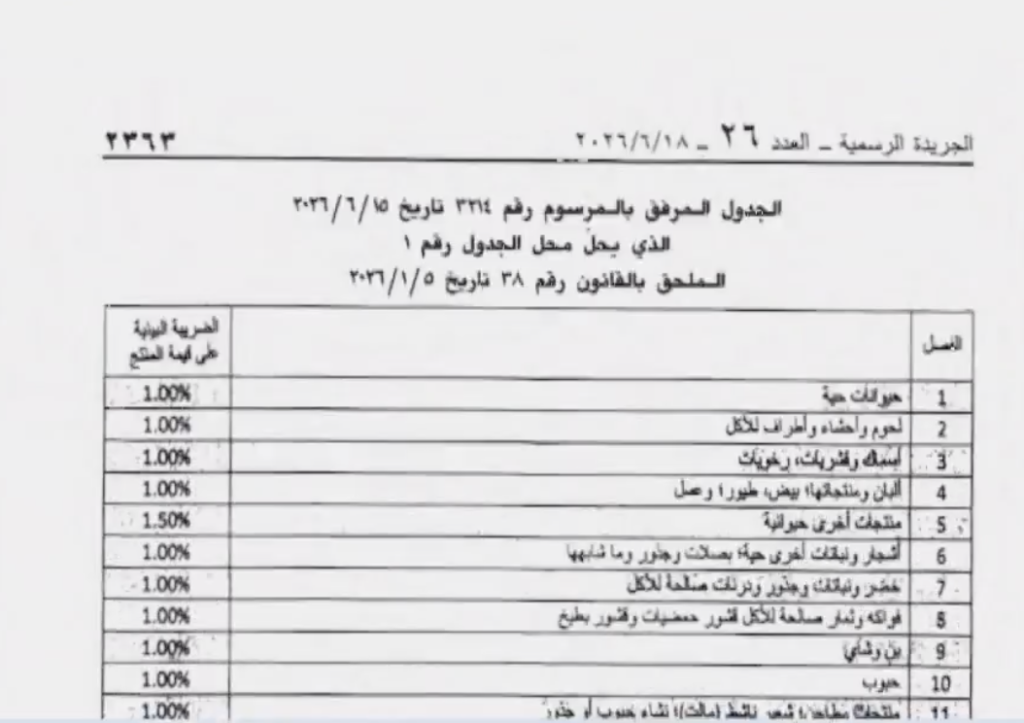
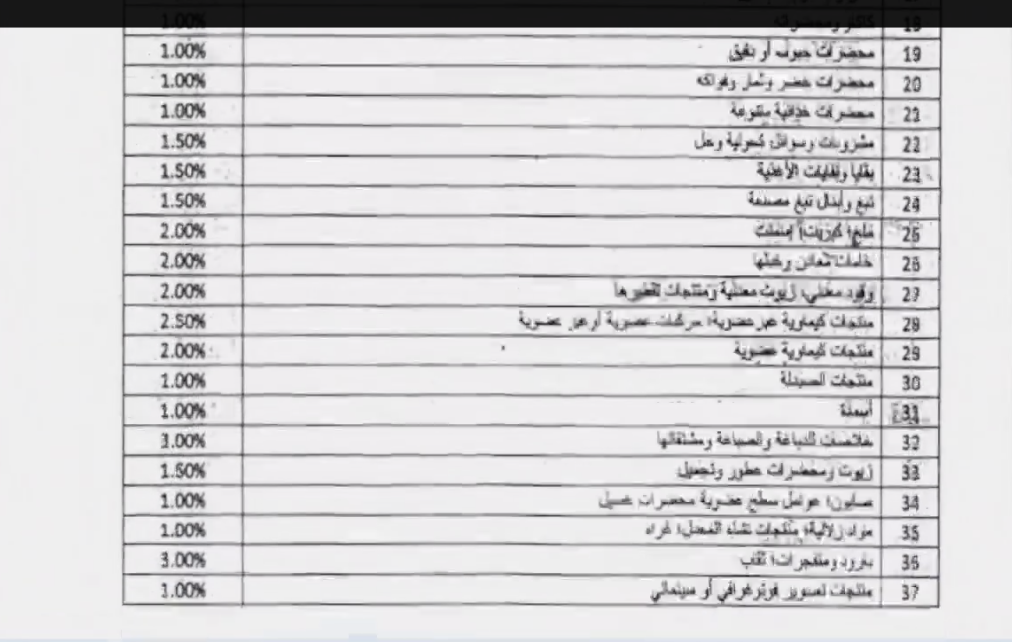
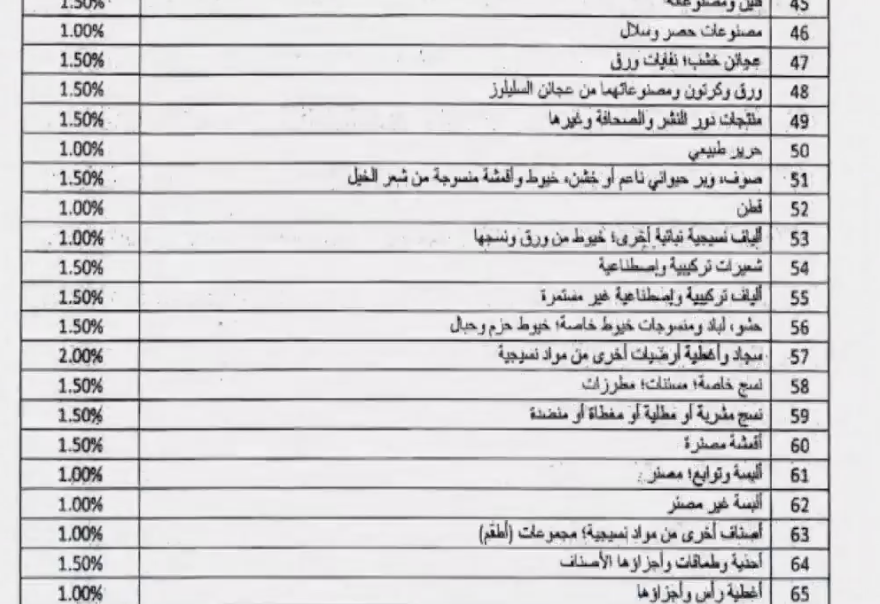
A look at the incomplete list from the Official Gazette:
What products are affected?
The list is extensive, covering 98 categories of imported goods, with fees generally ranging between 1% and 3% of the import value.
Among the products included are:
- Meat and poultry
- Dairy products
- Fruits and vegetables
- Coffee, tea and spices
- Cereals and grains
- Processed foods
- Cosmetics and personal care products
- Cleaning products
- Clothing and footwear
- Furniture
- Electrical appliances
- Toys and sports equipment
- Musical instruments
- Medical equipment
- Optical and photographic equipment
- Watches
- Various household goods
While many categories will be subject to a 1% fee, others carry higher rates. For example:
- Dairy products: 1.5%
- Oils and fats: 2.5%
- Footwear: 3%
- Toys and sports equipment: 2%
Why is the government imposing these fees?
According to the explanatory memorandum accompanying the decree, the additional charges are designed to generate funding for the management of waste produced by these products throughout their lifecycle.
The measure is based on the principle of extended producer responsibility, requiring financial contributions from products that eventually become waste in order to support collection, treatment and environmentally responsible disposal.
The government says the new fees will help finance Lebanon’s waste management system while encouraging more sustainable environmental practices. Honestly, this feels like one more way the average citizen pays the price for decades upon decades of corrupt practices that have never been corrected. More importantly, additional fees on steel and cement as a part of the country attempts to rebuild itself feels like poor timing to say the least.
Want to keep up with the latest? Check out our #News section.


Looking for something to do? I can guide you.
Or start with one of these