Blog
Lebanon Is Working on a New Law for Influencers and Content Creators
From where we shop and where we go, to what we try, watch, and talk about, influencers and content creators have become a major part of our everyday lives.
Advertising is no longer limited to TV commercials and billboards. These days, a huge portion of it lives on our feeds, with influencers playing an increasingly important role in shaping what people buy, where they go, and which brands they trust.
So, could it be time for Lebanon to introduce a legal framework for the industry? It looks like the conversation has officially begun.
A Law Specifically for Influencers?
Minister of Information Paul Morcos has announced that work is underway on a draft law specifically targeting influencers, content creators, and bloggers, alongside the country’s proposed new media law.
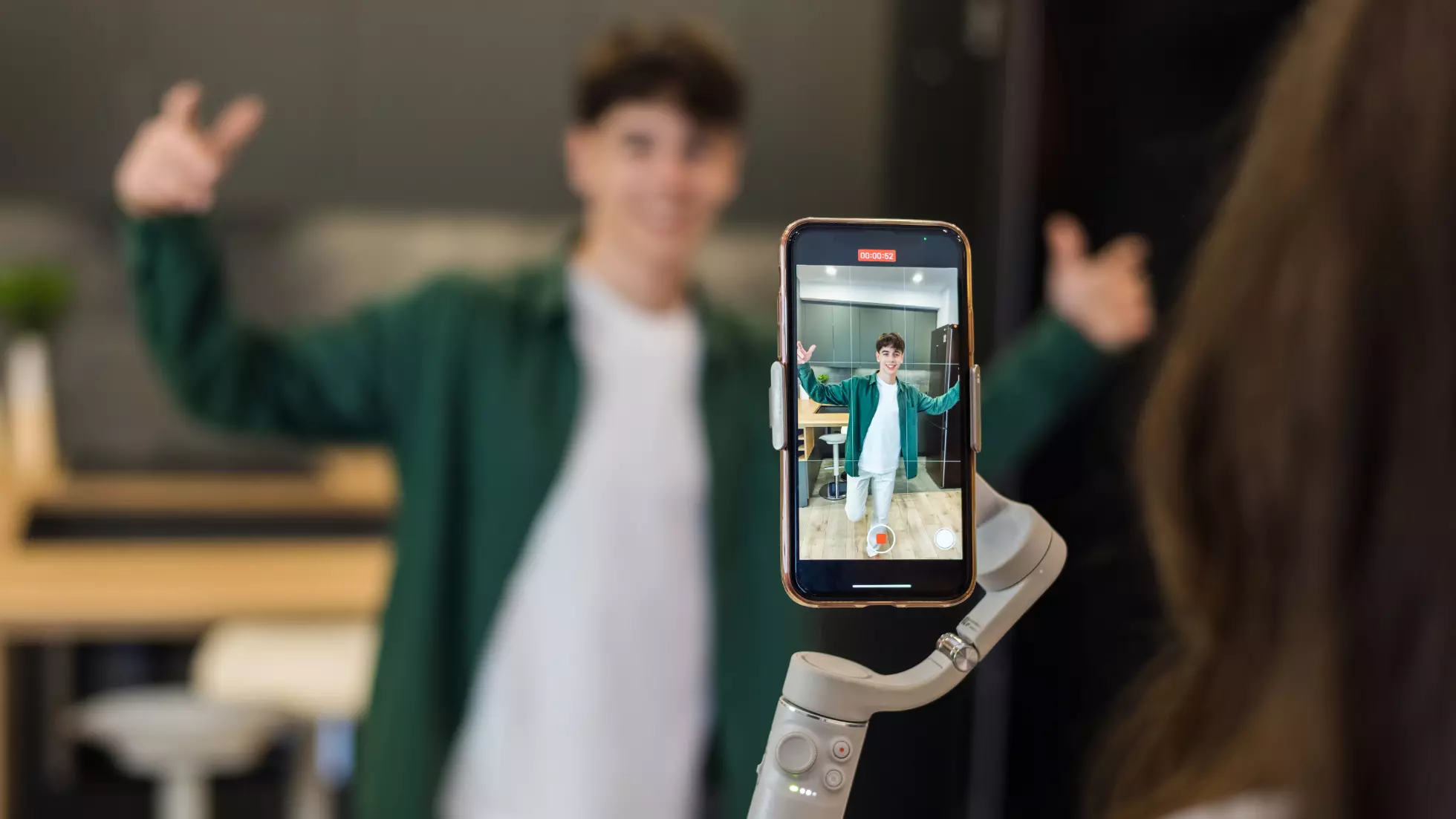
The project is still in its early stages, but the proposed legislation would reportedly define what constitutes an influencer, content creator, or blogger, while outlining their responsibilities when it comes to the content they publish.
This could include issues such as misinformation, hate speech, defamation, privacy, and the protection of minors.
Once an initial draft is prepared, it is expected to be discussed with industry professionals and relevant experts before moving forward through the official legislative process.
What Could the Law Include?
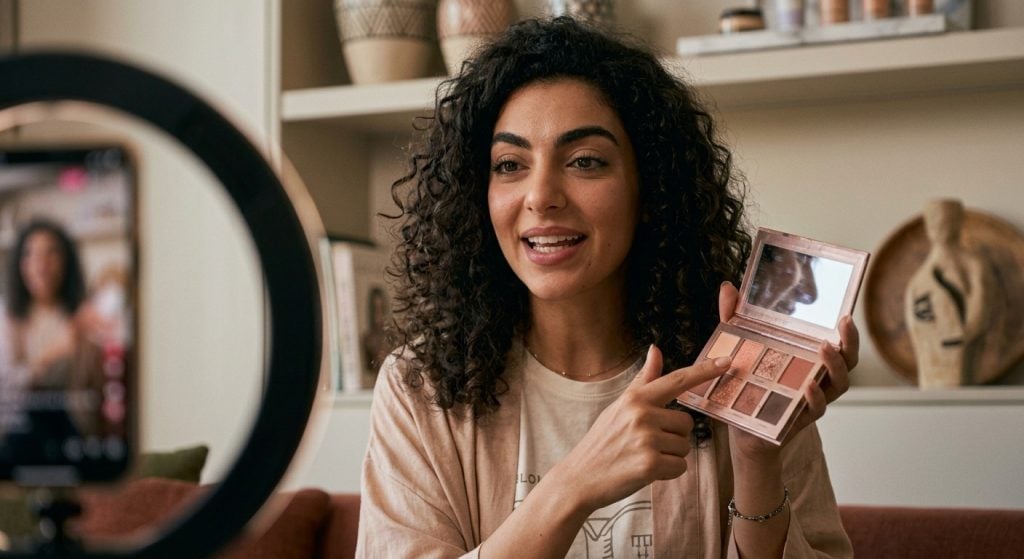
While the details are still being developed, the law could focus on several key areas. One of the main goals would likely be ensuring that audiences can clearly tell the difference between paid advertising and genuine personal experiences.
The legislation could also address misleading advertising, define the relationship between influencers and brands, and establish clearer rules around privacy, defamation, and the protection of minors.
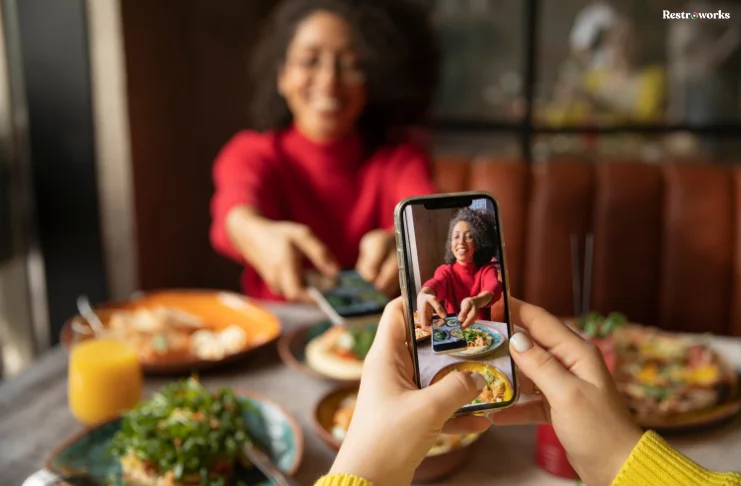
Other Countries Have Already Taken Steps
Lebanon wouldn’t be the first country to regulate the rapidly growing influencer industry. France has introduced legislation specifically targeting influencer advertising, while the UAE operates a licensing and permit system. In the US and UK, influencers are required to clearly disclose sponsored and promotional content.
China has also introduced restrictions in certain sensitive or specialized fields, requiring creators to provide proof of relevant qualifications or recognized academic credentials before offering professional advice in those areas.
As influencers continue to play a bigger role in advertising, media, and everyday consumer decisions, it seems Lebanon may soon be looking to bring some rules to an industry that has, for the most part, been operating without a specific legal framework.
What do you think of this potential law?

49 Sunset Spots You'll Love around Lebanon
02 Jul 2025

Looking for something to do? I can guide you.
Or start with one of these