
Blog
Between the Lines of the Constitution: The Archives Behind Lebanon’s Founding Document
One hundred years after Lebanon’s Constitution was first adopted, the Ministry of Culture is taking a closer look at the document, the history behind it, and the many ways it has shaped the country over the past century.
The centenary program kicks off with “Between the Lines of the Constitution,” a new exhibition opening at the National Library on October 8, 2026, and running until the end of the year. Rather than simply putting the Constitution on display, the exhibition looks at the story behind it through original archival documents, papers, maps, newspapers, and other material connected to its drafting and evolution.
It also asks a bigger question: how closely has Lebanon’s political life over the past 100 years followed what is actually written in the Constitution? The exhibition traces these changes alongside the political history surrounding them, giving visitors a chance to see how the country’s founding legal framework has evolved over time.
The documents behind the Constitution
One of the most interesting parts of the exhibition is its archival material. The Ministry has brought in original documents held in France, including a document signed by the French High Commissioner, alongside other historical material that Lebanese visitors may not have had the opportunity to see before.
These documents will only be on display temporarily before returning to the institutions and collections that hold them. The National Library will retain facsimile copies after the exhibition closes.
Alongside the original material, the exhibition aims to make the Constitution itself easier to understand, breaking down its provisions and explaining the political system it established in more accessible language.
Over the past century, Lebanon has developed political practices and informal arrangements that don’t necessarily appear in the constitutional text. The exhibition encourages visitors to think about where those practices came from, how they became accepted, and how they relate to what the Constitution actually says. That includes looking at constitutional conventions, political agreements, and instances where political practice has departed from the written text. The Ministry is particularly hoping to bring younger Lebanese into that conversation, with plans to accommodate school and student visits during the exhibition’s run.
More than a political document
The Constitution establishes fundamental rights and freedoms, including freedom of belief and expression. That makes the centenary an opportunity to look at the document as something that continues to affect everyday life in Lebanon.
After a century of political changes, conflicts, amendments, agreements, and interpretations, “Between the Lines of the Constitution” offers a chance to step back and look at the original documents, the history surrounding them, and the distance between what was written and what actually happened.
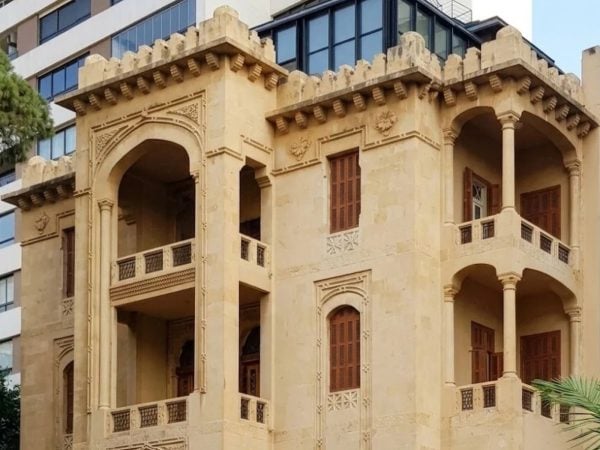
“Between the Lines of the Constitution” officially opens October 8, 2026, at the National Library in Sanayeh and runs through the end of the year. Check out the #Arts & Culture section on our website for more content like this.



49 Sunset Spots You'll Love around Lebanon
02 Jul 2025

Looking for something to do? I can guide you.
Or start with one of these