As Lebanese, we pride ourselves on our supremely delicious cuisine. Healthy? Check. Well-balanced? Check. Second to none? For us, at least! But pretentiousness aside, there are a slew of other seriously good cuisines out there that haven’t yet washed up on the shores of Lebanon.
Yep – believe it or not, you could say we’re gastronomically deprived of certain world cuisines. And here you thought our country’s instability was its biggest flaw!
Many people associate Brazilian cuisine with churrasco – the spits of different types of grilled meat that restaurants bring tableside to guests, slicing meat onto their plates as often and as plentiful as they like. While churrasco is inarguably Brazilian, there’s far more to the country than skewers, spits, and carnivore delights.
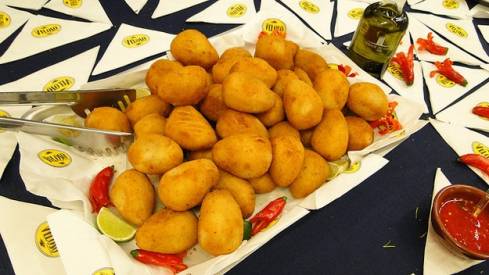
Coxinhas are like fried cheese balls stuffed with chicken and a very creamy dairy derivative called “catupiry.” While Lebanese make sambousik, Brazilians craft pastéis, a pocket of cheese, beef, codfish or other delicious stuffing. Additionally, Brazil’s brigadeiro – chocolate truffles made with condensed milk and covered in chocolate sprinkles – are not to be missed.
Due northeast from Brazil, the Caribbean hosts a fusion cuisine drawing on African, Amerindian, European, East Indian, Arab and Chinese influences.
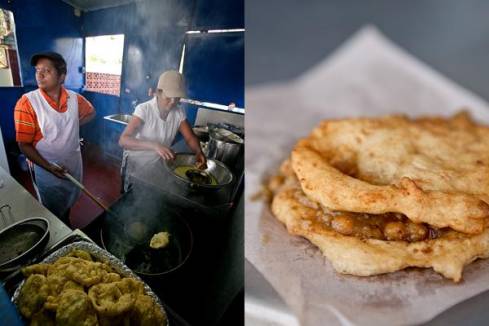
Common ingredients include rice, plantains (imagine bloated bananas), cassava, cilantro, beans, and coconut. But it’s the characteristic seasoning of the region, with its green herbs and vegetables, that truly defines the flavor profile of this region. In Trinidad, “doubles” feature pillowy bread (bara) filled with curried chickpeas and finished with a spoonful of tamarind or mango and a kick of pepper. Savory, sweet, and fiery all in one mouthful!
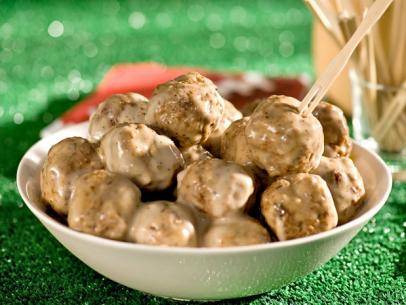
Ikea may have stereotyped Swedish food to mean meatballs and lingonberry jam, but there’s a whole lot more behind the cuisine than the furniture store lets on. And for those of you who didn’t know, lingonberry jam is a universal condiment used to accompany a spread of dishes, from pancakes and porridge to black pudding.
Swedes are pretty big on crayfish, red bite-sized freshwater shellfish popular in August, when warm summer evenings are dedicated to this delicacy. Pea soup and pancakes, traditionally served on Thursdays, are another ritual you must indulge in.
Thought the Lebanese had exclusive ownership over stuffed cabbage rolls (aka “me7sheh malfouf”)? Think again. The Poles make something uncannily similar called Golumpki, which wraps boiled cabbage leaves around minced pork or beef, chopped onions, and rice or barley.
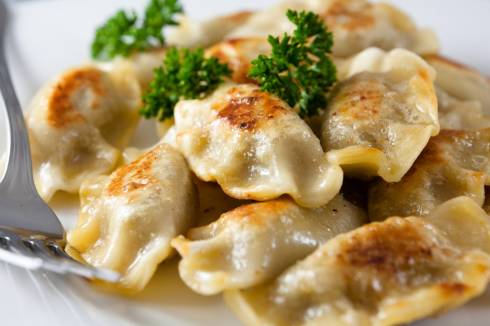
Kielbasa is sausage served in dozens of varieties and regarded worldwide as a staple of Polish cuisine. For a savory treat, Poles gorge on Pierogi, or dumplings cradling sauerkraut, mushrooms, meat, potato, and cheese, sometimes topped with sour cream.
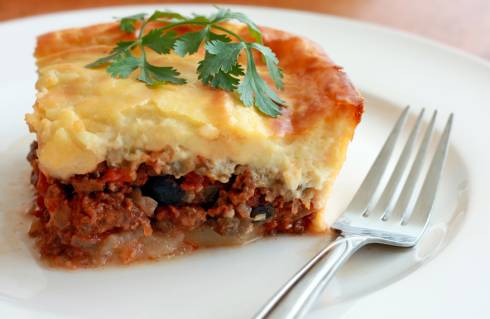
Despite its proximity to Lebanon and its firm position on the waters of the Mediterranean, Greek food is disparate from our own. One favorite is moussaka, the Hellenic answer to Italian lasagna which necessitates eggplant and creamy béchamel.
Tzatziki is a tangy cucumber-yogurt dip flavored with garlic and acting as the perfect accompaniment to grilled meats, vegetables, and the infamous souvlaki (scrumptious Greek kebabs). My stomach leaps for joy whenever I spot spanakopita, a pie assembled from phyllo dough and fresh spinach greens.