
Blog
In the Era of the Hypermarket, Don’t Forget Your Local Dekkeneh
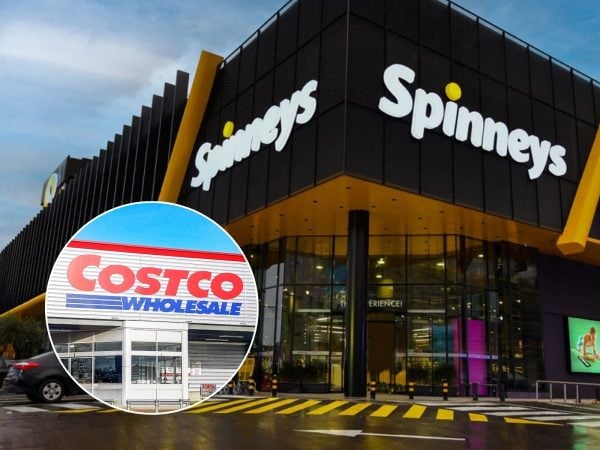
Main image via Iktissad wal Aamal
I sometimes find myself walking from our offices in Hamra to the Spinneys five minutes away to buy a water bottle and a wafer. I tell myself it’s so I get the walk in, but in reality I’m just used to it for some reason. There are at least three dekkenehs between here and there. I walk past all of them.
I don’t know when that started. But I think most of us are doing some version of it.
The Shelf and the Landlord
Today, a hypermarket doesn’t just sell you other people’s products anymore. It sells you its own priced at 10% below the branded version sitting next to it. The hypermarket gets to be the landlord of the shelf and a competitor on the shelf, using your purchase data to decide what to clone next.
Now imagine you’re a small Lebanese food producer trying to get your labneh into Spinneys. You’re negotiating for space with the company that also makes the cheaper version of your product, knows exactly what price point will undercut you, and controls whether you face forward or get buried on the bottom row.
And it’s not just one store. The parent group now spans Spinneys, Happy, Grab’n Go, and NokNok, supermarkets, discount, convenience, and delivery and an entire supply chain from start to finish, all lining one set of pockets.
Beyond the shelf, there’s the math. Big retailers buy in bulk at prices a dekkeneh will never see. The local guy buys one or two boxes and hopes to make a 5% margin.
How It Dies
A neighborhood doesn’t announce that its dekkeneh is gone.
The rent goes up. A chain opens nearby. Delivery apps take a slice. The owner’s kids don’t want the business. A few customers leave because it’s cheaper elsewhere, a few because there’s parking, a few because they can get everything in one trip. One day the shutters come down and the storefront sits empty until it becomes another franchise that could be anywhere.
What to do?
This is not a boycott-hypermarkets piece. Sometimes you need 17 things and the dekkeneh has three of them.
But every dollar you spend there keeps money in the neighborhood, keeps a storefront active, keeps someone employed who lives three streets away. Lebanon’s neighborhoods have always worked best as a collective, not a shopping center. When everything gets bigger and owned by fewer players, keeping a few small shops open is one of the easiest things you can do to make sure the city still feels like yours.
I’m going to start buying my water from the dekkeneh on Abdel Aziz. It’s closer and doesn’t smell weird.

The Worst 3aj2as in Lebanon, Ranked
20 Jul 2026



49 Sunset Spots You'll Love around Lebanon
02 Jul 2025


Looking for something to do? I can guide you.
Or start with one of these