
Blog
More Than a Coffee Cup: The History of the Lebanese Fenjen
Whether you’re visiting your grandparents, catching up with friends, or welcoming guests into your home, chances are you’ve been handed a tiny cup of Lebanese coffee. That little handleless cup, known as the fenjen, has become one of the country’s most recognizable symbols. The history of the Lebanese fenjen goes back much further than most people realize.
It All Started With the Ottoman Empire
The fenjen arrived in Lebanon during the 16th century, when coffee spread from East Africa and the Arabian Peninsula across the Ottoman Empire.
As coffeehouses began opening throughout the empire, the tradition quickly made its way to Bilad Al-Sham, which included present-day Lebanon. Coffee soon became more than just a drink. It became a daily ritual, a reason to gather, and an essential part of welcoming guests.
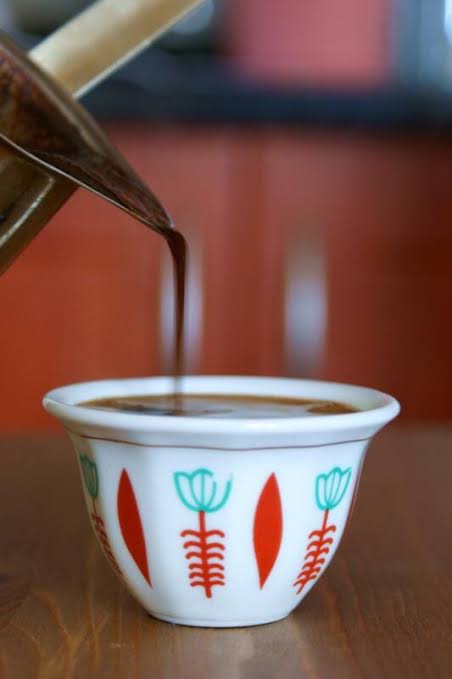
The strong, finely ground coffee required a different kind of cup. Instead of large mugs, people used small, handleless porcelain or earthenware cups that kept the coffee hot while concentrating its rich aroma. Their size also made it easy to serve several rounds from a single rakweh, turning every coffee break into a shared experience.
Lebanon Made the Tradition Its Own
While the coffee ritual arrived through the Ottoman Empire, Lebanon soon developed its own connection to the fenjen. For decades, pottery workshops supplied fenjen cups across the Levant.
One of the best-known centers was Rashaya al-Fukhar in Hasbaya, which translates to the “Village of Pottery”. Artisans crafted ceramic fenjen pieces and sold them throughout Lebanon, Syria, Palestine, and Jordan.
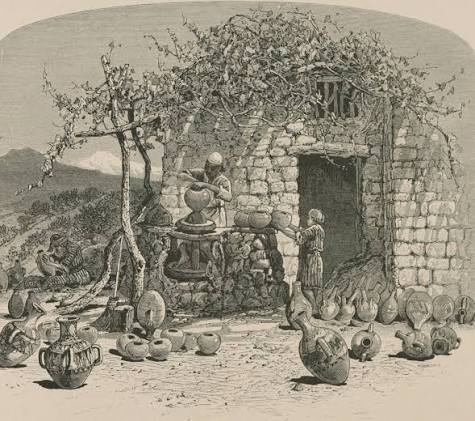
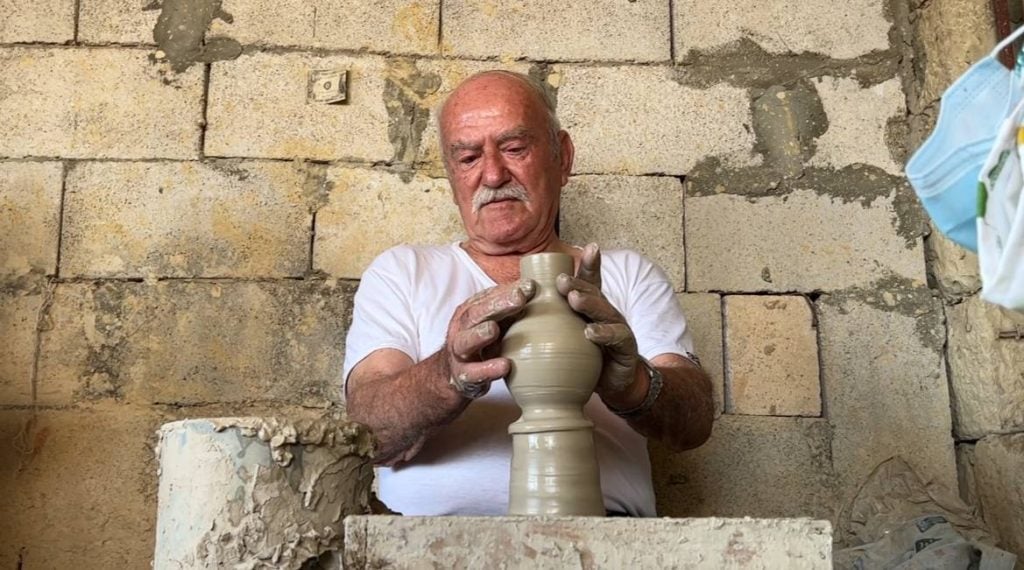
The village earned its name because pottery became its defining craft centuries ago. Thanks to the abundance of high-quality clay in the area, generations of families specialized in producing everyday earthenware by hand.
While it’s difficult to pinpoint exactly when pottery began there, historians believe the craft dates back several centuries—well before the 20th century—and expanded significantly during the Ottoman period as demand grew across the Levant.
Over time, the fenjen became part of life’s biggest moments. It welcomed guests into homes, accompanied family gatherings, marked engagements and weddings, offered comfort during condolences, and even became part of the tradition of reading coffee grounds.
Long before cafés became part of everyday life, conversations started with the familiar sound of coffee poured into a row of waiting fenjen cups.
Why Does Every Fenjen Have That Little Flower?
If you’ve ever looked closely at a traditional Lebanese fenjen, you’ve probably noticed the delicate flower painted inside or around the cup. That iconic design didn’t appear by accident.
Its roots lie in Ottoman ceramics, particularly the famous pottery produced in Iznik, Turkey, during the 16th and 17th centuries. These ceramics were decorated with stylized tulips, carnations, roses, and other floral patterns, often painted in cobalt blue, red, and green. As the Ottoman Empire expanded, these decorative styles spread throughout the Levant and became popular on everyday household items, including coffee cups.
Over time, the detailed Ottoman patterns evolved into the simple floral motifs many Lebanese households still recognize today.
However, the design also reflects even older artistic traditions. Long before the Ottoman period, Byzantine and medieval Levantine ceramics featured vines, flowers, and botanical patterns. The most ubiquitous vintage design found in Lebanese grandmother’s cabinets features red pointed oval structures and a simple green tulip/carnation sketch.
Later, this specific, mass-produced minimalist look was imported from landmarks like the Czech porcelain factories or Japanese exporters mid-century, who manufactured them specifically for the Middle Eastern market based on old Ottoman motifs.
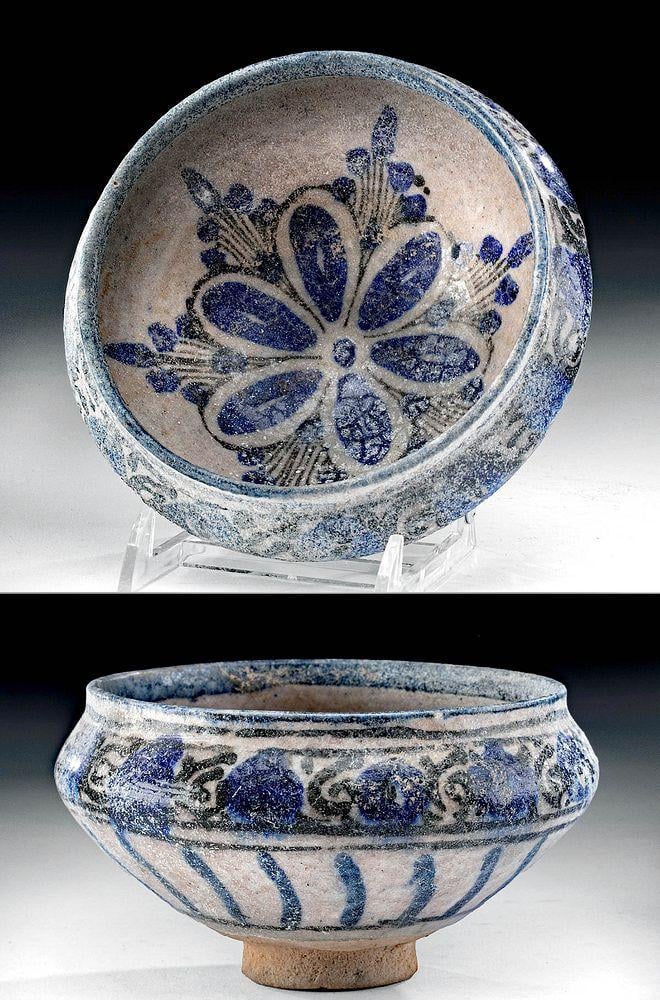
The familiar flower on today’s fenjen is therefore part of a visual heritage that stretches back centuries. Eventually, the floral motif became closely associated with hospitality, warmth, and home, making it the perfect decoration for a cup meant to bring people together.
The Unspoken Etiquette of the Lebanese Fenjen
Beyond its physical design, serving coffee in a fenjen comes with an unspoken language of etiquette that every Lebanese household knows by heart. For instance, a traditional host will never fill the cup to the brim. It is filled only halfway. This gesture is known as Ahwe Shrefe (the honor cup), which signals to guests that they are welcome to linger and converse. Filling it to the top is a polite hint that it’s time to leave.
Furthermore, because the cup lacks a handle, it forces a deliberate posture. You cradle it gently with your fingertips, prompting slow, thoughtful sips rather than rushed gulps. And when a guest has finally had their fill, they don’t say it out loud. Instead, they give the empty fenjen a swift, gentle tilt from side to side. It’s a universal twist of the wrist that lets the host know their hospitality has been thoroughly enjoyed.
A Timeless Symbol of Lebanese Hospitality
Although espresso machines and oversized coffee mugs have become common, the fenjen has never disappeared.
Today, many Lebanese designers and ceramists continue reimagining the classic cup using modern materials such as concrete and contemporary ceramics, while preserving its unmistakable shape. Others stay true to the traditional floral design that generations have grown up with.
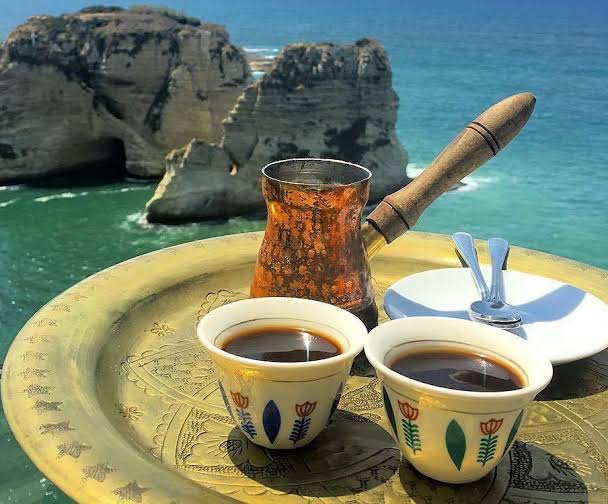
No matter how it’s made, the fenjen still represents the same thing it did hundreds of years ago. Slowing down, sharing conversation, and welcoming people with a freshly poured cup of Lebanese coffee.
Did you enjoy reading about the history of the Lebanese fenjen? For more content like this, check out the #Lebanonisms section on our website.





49 Sunset Spots You'll Love around Lebanon
02 Jul 2025

Looking for something to do? I can guide you.
Or start with one of these