
Guides
Remember Cinema Subh? Aley’s Forgotten Cinematic Gem
With its vintage details, colorful glass windows, and projection equipment dating back to the 1930s, Cinema Subh offers a glimpse into Aley’s cinematic past. In the mid-20th century, when the town was a popular summer destination, its cinemas were part of everyday life, giving visitors and residents another reason to spend their evenings out in the mountains.
When Aley was the Cinema Capital of Lebanon’s Mountains
In the mid-20th century, Aley was known as the “Cinema Capital of the Mountains,” with eight movie theaters across town. These included Subh, Miami, Rex, Eden, Tannious, Nasr, Dunia, and Sayha.
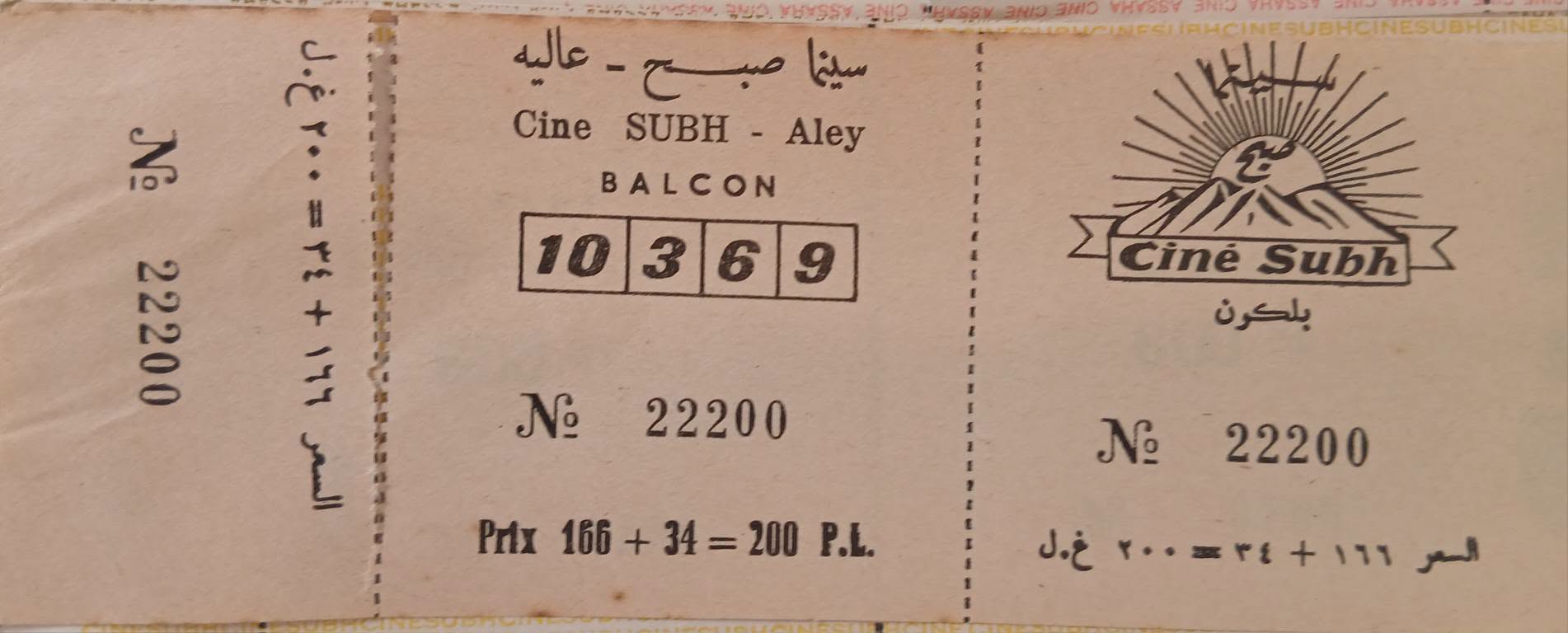
Images retrieved from Ghassan Radwan.
Back then, people flocked to the mountains to escape Beirut’s heat, spending their days strolling through the souks and their evenings at local hotels, before heading out to watch Arab, international, and Hollywood films.
Cinema Subh’s story began in 1949, when Najib Subh built the Subh Hotel after returning from Argentina. His son, Ezzat, later decided to open a cinema inside the hotel with his father’s help. Over time, the theater became part of Aley’s collective memory, welcoming locals and summer visitors alike, as well as notable political and artistic figures.
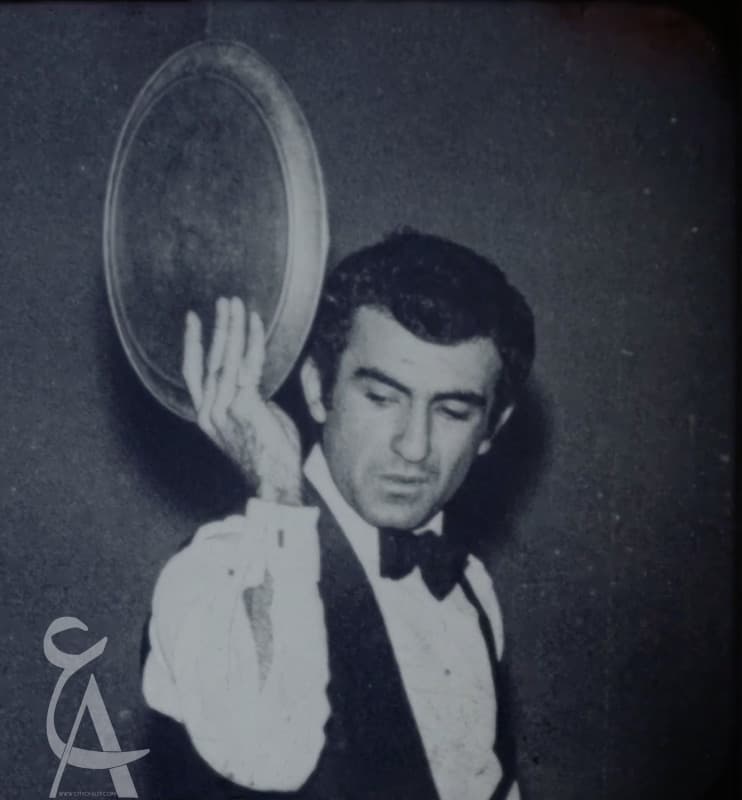
Image retrieved from City of Aley.
The cinema also played a role in shaping the lives of people who grew up around it. Lebanese actor and director Mounir Maasri, for instance, developed his love for cinema at a young age, even sneaking into the projection hall to watch films.
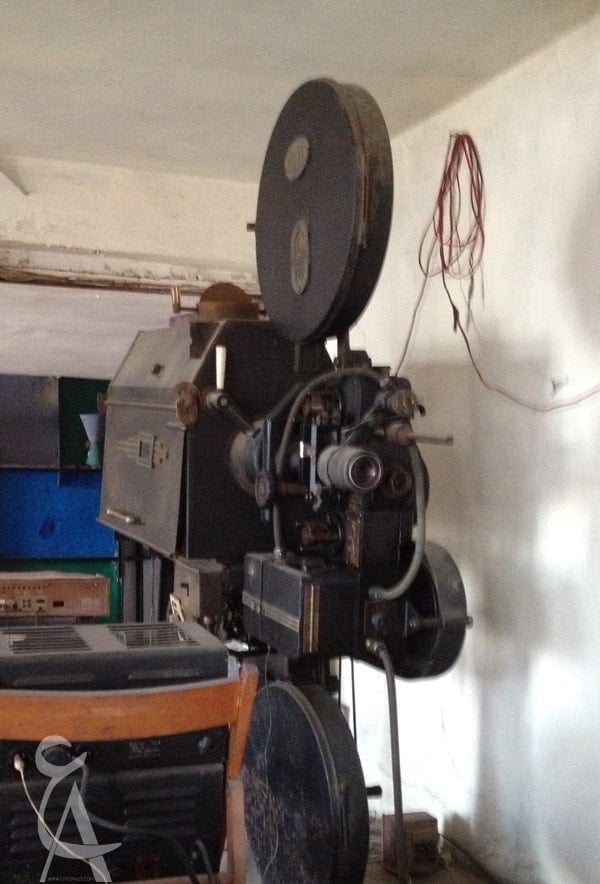
Like so many places across Lebanon, Cinema Subh could not escape the effects of the Civil War. During the 1970s, the hotel was bombed and eventually closed its doors, bringing film screenings to an end. The theater fell silent, leaving behind a space filled with memories and the hope that audiences might one day return.
Could Cinema Subh open its doors again?
In 2024, Ezzat Subh, who had fallen in love with cinema at just 12 years old, began working to bring the theater back to life. His plans included equipping it with a modern screen and screening films from cinema’s golden age, with the hope of gathering movie lovers once again.
Although the lights have yet to fully return to the theater, Cinema Subh remains an important part of Aley’s history and the memories of those who know its story. Between its past and the possibility of a new chapter, there is still hope that the Subh Hotel will one day reopen and that life will return to a place that holds the stories of generations of Lebanese moviegoers.



Looking for something to do? I can guide you.
Or start with one of these