
Stuff We Love
The Story Behind Al-Dahnoon Flower, a Symbol of Our Beloved South Lebanon
The vibrant anemone flower is one of the most cherished symbols of South Lebanon, often associated with the land, identity, and collective memory. Covering the foot of Jabal Amel every spring, they stretch like a natural tapestry as far as the eye can see.
Here’s the story behind Al-Dahnoon flower, and why it’s a symbol of the south.
About Al-Dahnoon
Known locally in southern villages as “Al-Dahnoon,” this stunning wildflower is among the region’s most treasured blooms. Its scientific name is Anemone coronaria, and it goes by many poetic names: Shaqa’iq Al-Na’man (Anemone of Numan), Al-Hanoun, Lala Hamra, Shaqiq, Virgin’s Cheek, Women’s Flower, and Blood Flower.
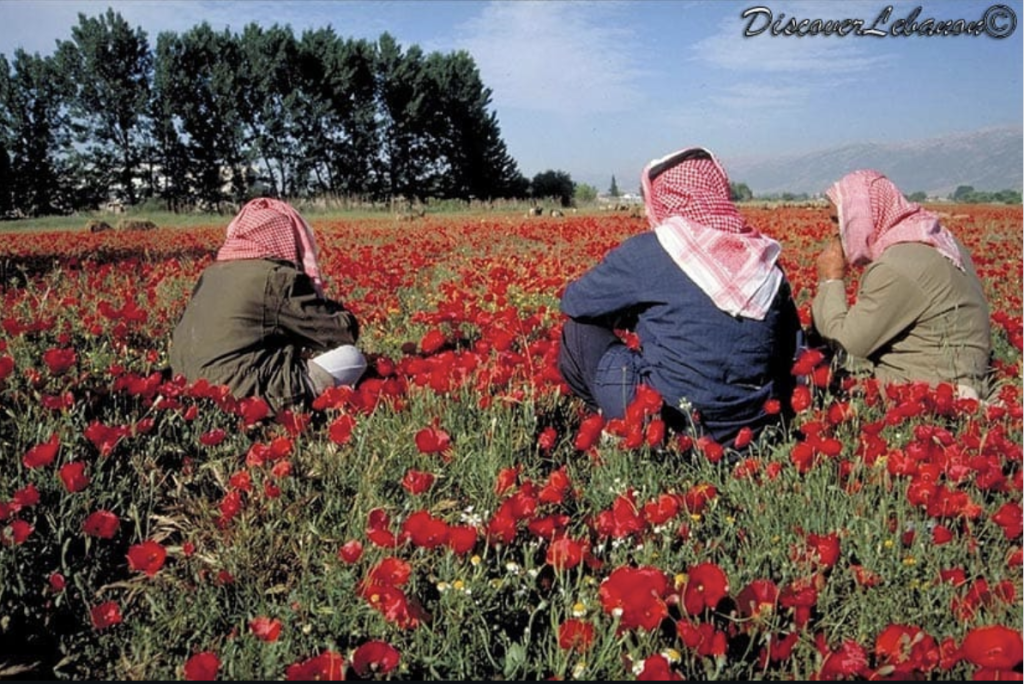
This vivid red bloom thrives in both mountains and plains, sprouting effortlessly without cultivation, as if woven into the soil’s very soul. It also appears in white, pink, and purple varieties, spreading across the Levant and flowering from February to May.
A perennial herbaceous plant reaching about 30 cm tall, it features serrated leaves, a lightly fuzzy stem, and delicate, eye-catching petals.
Al-Dahnoon in Ancient Myths
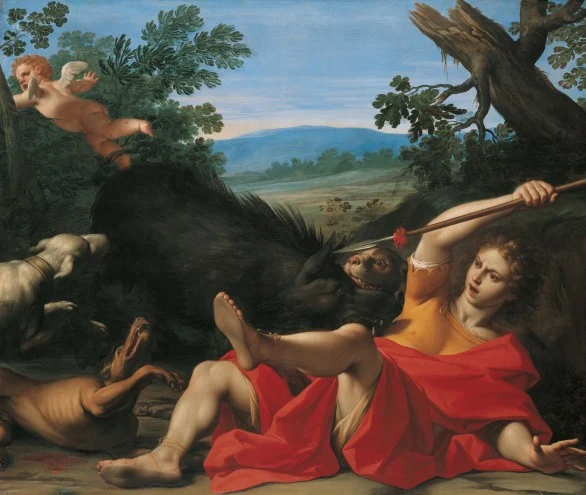
Phoenician myth tells how anemones sprang from the blood of Adonis, beloved of goddess Astarte. She warned him of hunting’s perils, yet a wild boar one day gored and killed him.
Rushing to his side, she found him drenched in blood, wept bitterly, and wished his memory eternal. From his wounds bloomed the radiant red anemone, a timeless symbol of love, death, and rebirth. (A Hellenized version pairs Adonis with Aphrodite in Greek myths.)
In Arab tales, the flower is said to have grown from the grave of King Al-Numan bin Al-Mundhir, trampled by an elephant for defying his foe. Canaanite and Phoenician myths weave it even deeper into the region’s ancient lore.
A Symbol of Sacrifice and Memory
Poets have long tied anemones to romance, evoking beauty, love, longing, and the wait for a distant beloved.
In South Lebanon’s folk heritage, and that of Palestine, it carries heavier weight as an emblem of sacrifice. Its red hue mirrors the blood of those who defended the land, nourishing it to bloom anew every year.
And every year, it is a stark reminder of resilience.
More than just an average wildflower, the anemone coronaria is a symbol of our beloved South Lebanon. You can find more content like this in the #Lebanonisms section on our website.





Looking for something to do? I can guide you.
Or start with one of these